Motivation Without Pressure: Help Your Child Do Their Best with Joy


Motivation Without Pressure: Help Your Child Do Their Best with Joy
Every parent wants their child to thrive, learn, and grow. But in a culture where achievement often takes center stage—whether in school, sports, or social media—it can be hard to find the balance between encouragement and pressure. How can you help your child do their best while keeping joy and curiosity alive? Here’s how to create an environment where motivation comes from within.
Intrinsic Motivation – The Joy of Learning
Children learn best when they feel curious and engaged. Intrinsic motivation arises when a child finds meaning and enjoyment in what they’re doing and feels a sense of ownership over the process. It might be when a child spends hours building with LEGO because it’s fun, or practices piano simply because they love the sound.
You can nurture intrinsic motivation by:
- Praising effort, not just results. Recognize persistence, creativity, and curiosity rather than focusing only on grades or wins.
- Asking open-ended questions. Try “What part of that project did you enjoy most?” instead of “Did you get a good grade?”
- Offering choices. When children have a say in how they approach a task, they feel more invested and confident.
Læs også:




When Expectations Turn Into Pressure
Even the best intentions can create pressure. A child who senses disappointment when they don’t perform well may start to associate learning with stress or fear. Pressure can show up as stomachaches before tests, sleepless nights, or resistance to school and activities.
That doesn’t mean you should remove all expectations—children need structure and guidance. The key is distinguishing expectations from pressure. Expectations communicate belief in your child’s abilities. Pressure makes them feel their worth depends on performance.
A helpful question to ask yourself is: Who is my child doing this for—themselves or for me?
Creating a Supportive Learning Environment at Home
A child who feels safe and supported is more willing to take risks and make mistakes. Mistakes are a natural part of learning, but many children fear them if they associate errors with criticism.
You can help by:
- Talking openly about mistakes. Share your own experiences of learning from failure.
- Celebrating small steps forward. Progress, no matter how small, builds confidence.
- Providing a calm study space. A quiet, organized area helps your child focus and feel secure.
Motivation Beyond the Classroom
Extracurricular activities should energize, not exhaust. If your child loses interest in a sport or hobby, it might be a sign that joy has been replaced by obligation. Talk about what feels fun and what feels stressful.
Sometimes a break or a switch to a new activity can reignite enthusiasm. The goal is for your child to see free time as a space for creativity and self-expression—not another arena for competition.
When Children Compare Themselves to Others
Comparison is natural, but today’s kids face constant exposure to others’ achievements—both in school and online. This can lead to feelings of inadequacy or self-doubt.
Help your child focus on their own growth. Emphasize that everyone has different strengths and that the real goal is to be better than they were yesterday, not better than someone else. This mindset builds resilience and a healthy sense of self-worth.
Parents as Role Models
Children learn as much from what we do as from what we say. If you handle challenges with patience and curiosity, your child learns that it’s okay to struggle and keep trying. If you often talk about success as the measure of worth, they may internalize that message too.
Show that you value balance, joy, and learning for its own sake. When you take breaks, laugh at your own mistakes, and celebrate effort, you send a powerful message: life isn’t just about being the best—it’s about feeling good along the way.
Joy as the Driving Force
When motivation grows from joy, learning and growth become natural parts of everyday life. It takes patience to find that balance where your child feels supported but not pressured. Yet the reward is profound: a child who dares to try, explore, and persevere—knowing they are loved no matter the outcome.
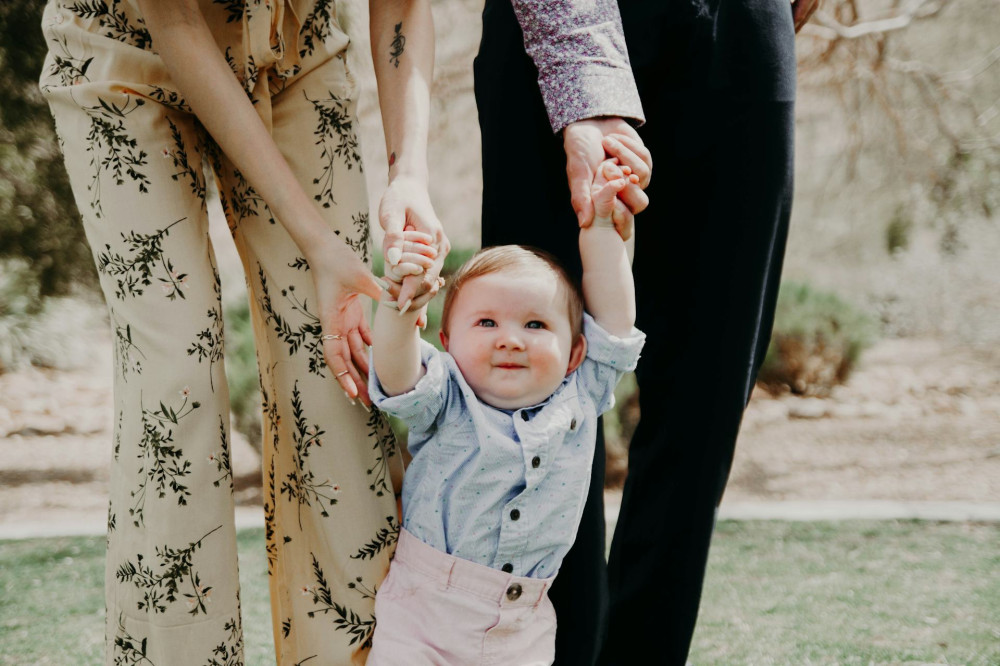
Helping your child do their best isn’t about pushing from behind; it’s about standing beside them—with trust, encouragement, and a smile.
Læs også: