Planned or Spontaneous? How to Find the Right Balance in Your Family Activities

Planned or Spontaneous? How to Find the Right Balance in Your Family Activities
In many American families, the calendar is packed with soccer practices, music lessons, birthday parties, and weekend commitments. At the same time, many parents wish for more breathing room—time to relax, connect, and enjoy those unplanned moments that often become the most cherished memories. So how do you find the right balance between planning and spontaneity in your family life? Here’s how to create a rhythm that allows for both structure and freedom.
Why Planning Matters
Planning brings peace of mind and helps the household run smoothly. When everyone knows who’s driving to practice, what’s for dinner, and when homework time happens, the week feels less chaotic. Kids also tend to thrive on predictable routines—they know what to expect, and that sense of stability helps them feel secure.
But good planning doesn’t mean every minute has to be scheduled. The goal is to create a framework that supports your family, not one that controls it. Try using a shared digital calendar or a family planner on the fridge where everyone can see the week’s activities—and make sure to block out some “unscheduled” time. Those open spaces are where rest and creativity can flourish.
When Planning Takes Over
Sometimes, planning can become a trap. Days start to feel like a logistical puzzle, leaving little room for flexibility. When every hour is accounted for, it’s hard to say yes to a spontaneous ice cream run or an impromptu trip to the park.
A good question to ask is: Are our plans serving us—or are we serving our plans? If your schedule feels more like a source of stress than support, it might be time to loosen up. Often, it’s the unplanned moments that bring the most laughter and connection.
The Power of Spontaneity
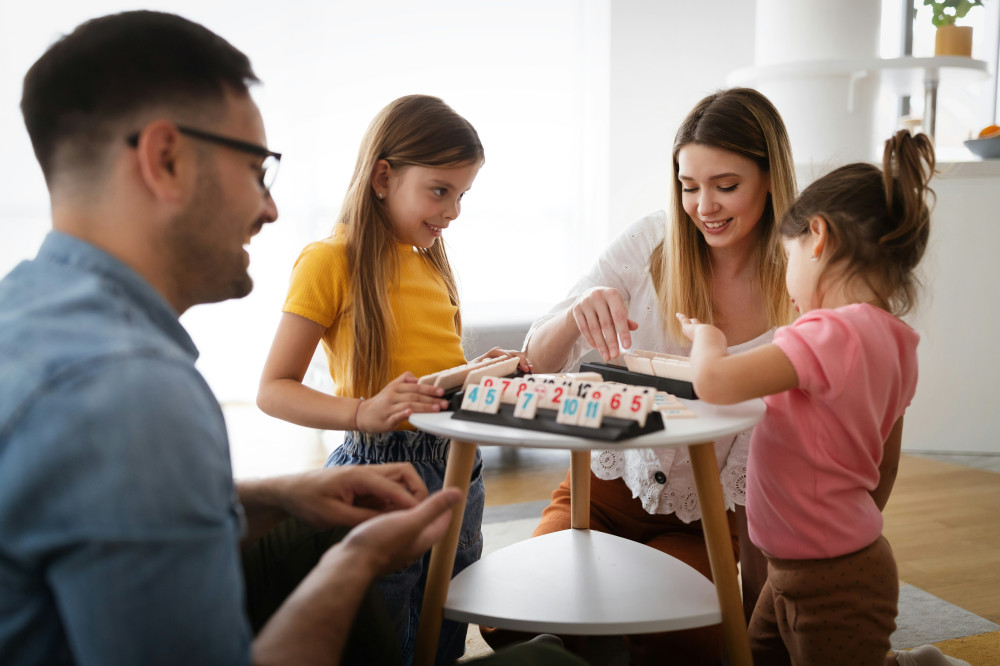
Being spontaneous doesn’t mean abandoning all structure—it means leaving space for the unexpected. Maybe it’s taking a detour to watch the sunset, baking cookies on a Wednesday night, or letting the kids choose a surprise weekend activity.
When you allow for spontaneity, you create opportunities for genuine connection without the pressure of expectations. Kids also learn an important life skill: flexibility. They see that it’s okay to change plans and follow curiosity, which helps them adapt in a world that doesn’t always go according to schedule.
Læs også:
Finding Your Family’s Rhythm
There’s no single formula for the perfect balance—it depends on your family’s personality and needs. Some families thrive on routine, while others prefer a more go-with-the-flow approach. The key is to talk about what works best for everyone.
- Hold a weekly check-in to review upcoming plans and identify open times for free play or spontaneous ideas.
- Protect downtime—schedule moments where nothing is scheduled.
- Be realistic—fewer, more meaningful activities often bring more joy than an overbooked calendar.
- Create flexible traditions—for example, a “Family Friday” where you always do something together, but decide what on the day itself.
When you find a rhythm that fits your family, it becomes easier to say both yes and no—without guilt.
Small Steps Toward More Freedom
If you want to invite more spontaneity into your routine, start small. Skip a planned activity once in a while and see what unfolds. Maybe you’ll end up building a blanket fort, going for a bike ride, or simply enjoying a quiet evening together.
The goal isn’t to choose between planning and spontaneity, but to let them complement each other. Planning provides the structure; spontaneity fills it with life.
The Balance That Brings Joy
When planning and spontaneity work hand in hand, your family gains both stability and freedom. You avoid the stress of constant unpredictability while keeping space for laughter, play, and surprise. Often, it’s in those unplanned moments that the best memories are made.
So next time your calendar looks full, ask yourself: Is there room for the unplanned? You might find that’s exactly where balance—and joy—begin.
Læs også: