The Power of Play: How Children Develop Creativity Through Free Exploration

The Power of Play: How Children Develop Creativity Through Free Exploration
When children play freely, they open the door to a world where imagination, curiosity, and inventiveness can flourish. Play is not just entertainment—it’s a fundamental way for children to understand themselves and the world around them. In an age filled with structured schedules, extracurriculars, and screen time, it’s worth rediscovering the value of unstructured play as a source of creative growth.
Play as a Natural Way of Learning
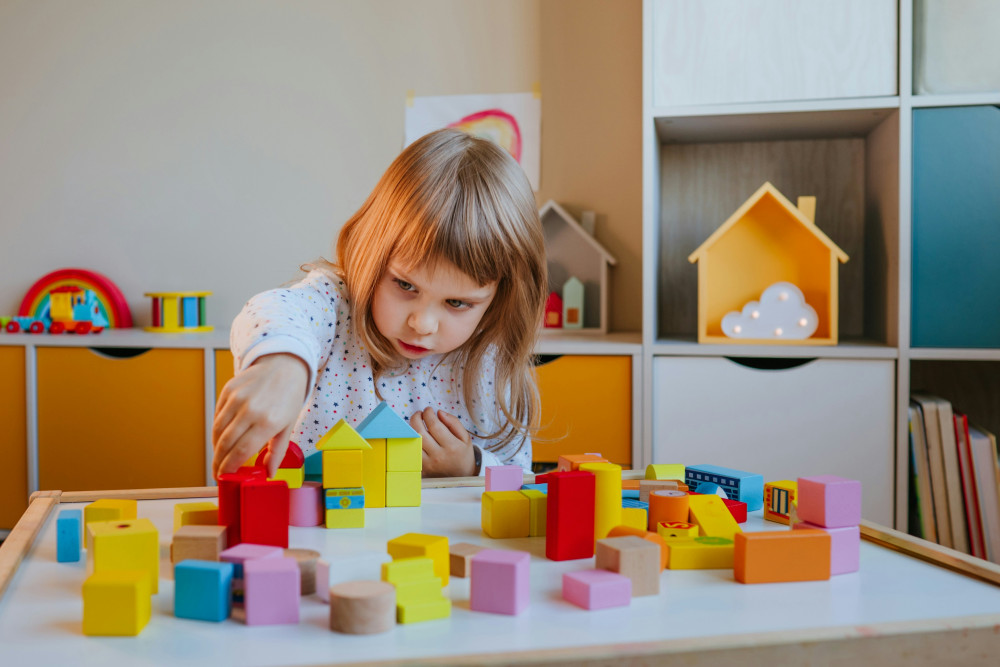
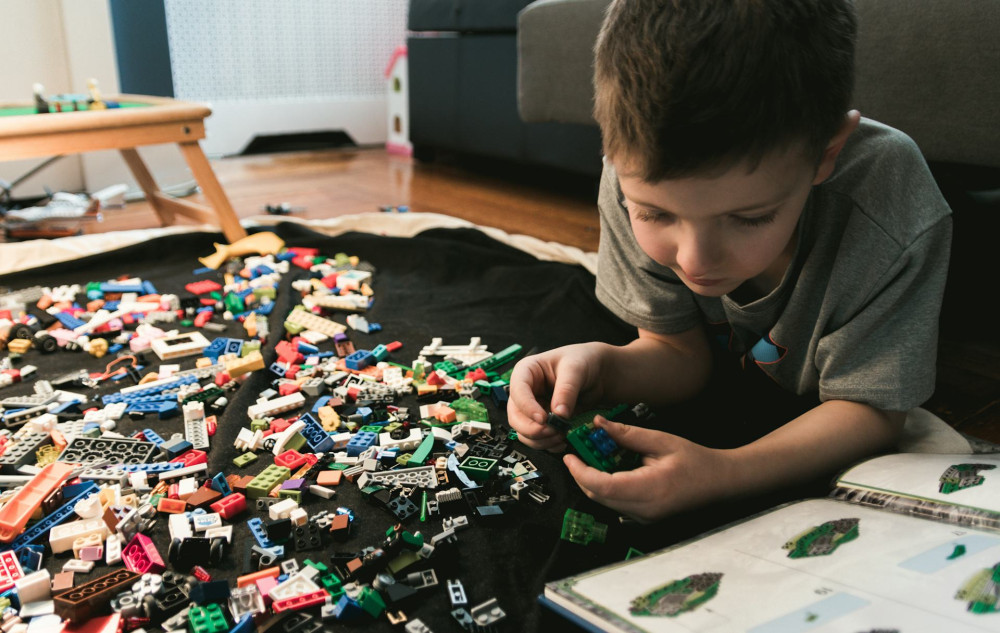
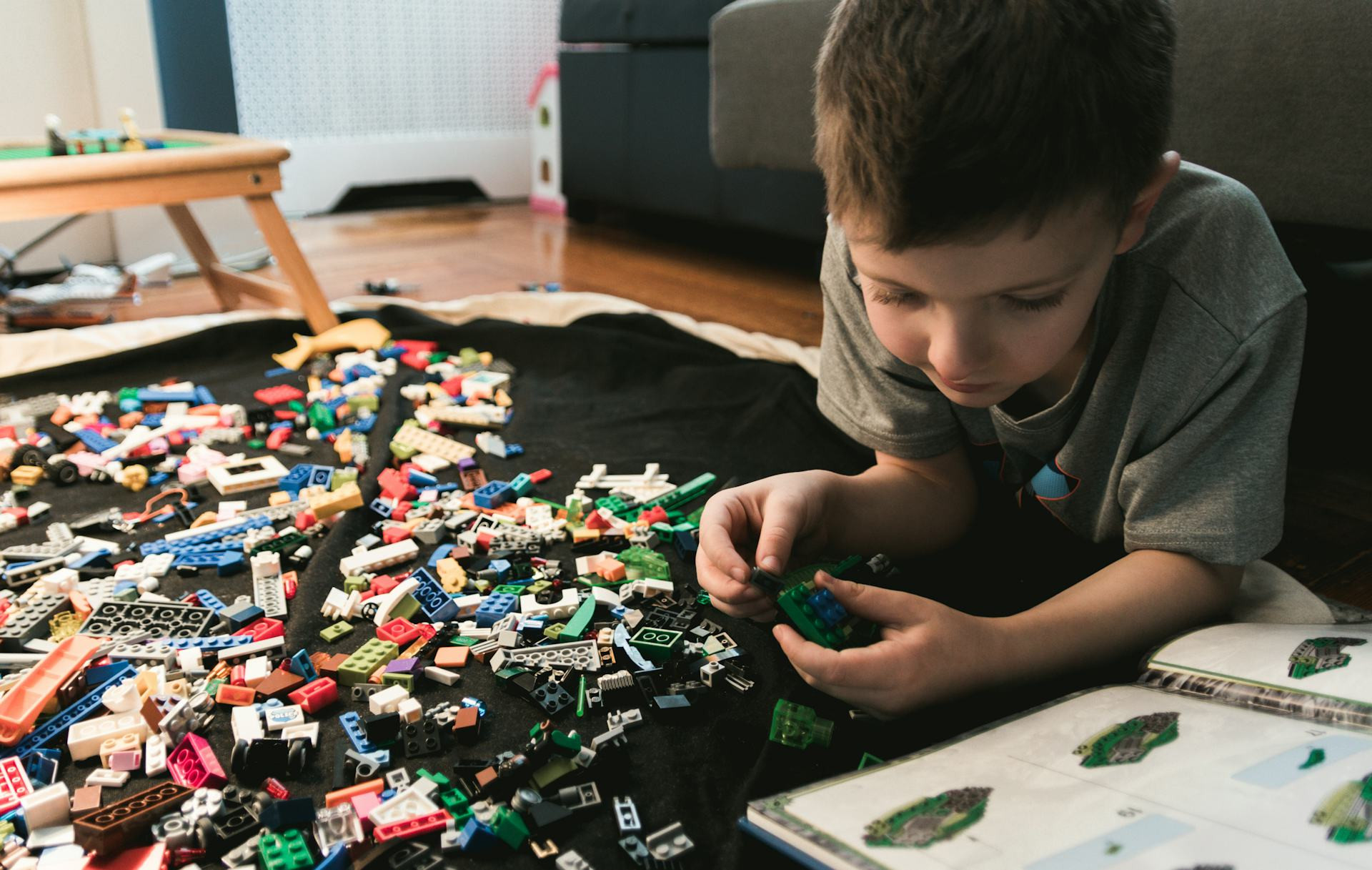
From stacking blocks to pretending to be superheroes, children use play to experiment with ideas, emotions, and social roles. When a child builds a fort, hosts a pretend restaurant, or invents a new game, they are practicing problem-solving, collaboration, and flexible thinking.
Research from child development experts shows that children who have time and space for free play develop stronger creative and cognitive skills later in life. Play allows them to make mistakes without fear—an essential part of learning how to innovate and adapt.
Free Play vs. Structured Activities
There’s a big difference between free play and adult-directed activities. In free play, children set the rules, choose the roles, and decide the direction of the game. This sense of ownership fosters independence and confidence. In contrast, structured activities often have a goal—learning a skill, following instructions, or achieving a specific outcome.
Both types of play have value, but free play is especially important because it nurtures intrinsic motivation. When children play simply for the joy of it, they learn to follow their curiosity—an ability that lies at the heart of creative thinking.
The Role of Imagination
Imagination is the engine of creativity. When a child turns a stick into a magic wand or a cardboard box into a spaceship, they are practicing the ability to see possibilities beyond what’s in front of them. This skill—reimagining the ordinary—is the foundation of innovation, both in childhood and adulthood.
Parents and educators can support imagination by providing open-ended materials and time for unstructured play. A pile of blankets, some art supplies, or a few natural objects can become anything when children are free to explore their ideas.
The Importance of Environment
A stimulating environment plays a key role in how children play. It’s not about expensive toys or elaborate setups—it’s about space, time, and freedom. A backyard, a living room corner, or a nearby park can be enough if children are allowed to explore on their own terms.
Adults act best as facilitators, not directors. By observing, asking open-ended questions, and showing genuine interest without taking control, parents and caregivers can help children develop their own ideas and confidence.
Play as a Social Process
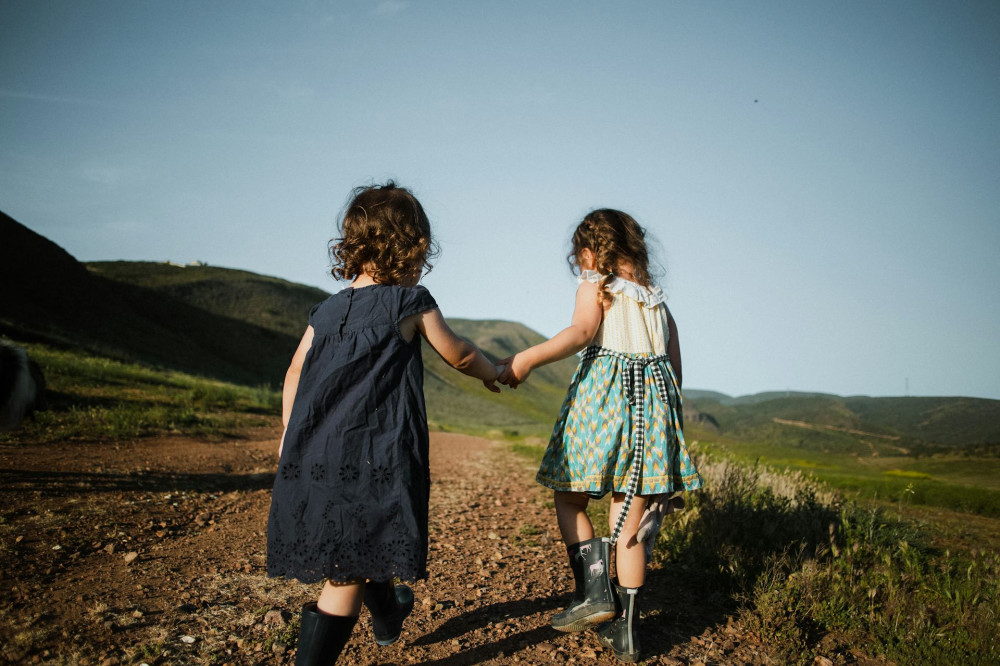
Creativity doesn’t happen in isolation. When children play together—negotiating rules, sharing roles, or building something as a team—they learn to combine ideas, compromise, and collaborate. This social side of play strengthens empathy and communication, skills that are just as vital as imagination and originality.
Læs også:
When Play Disappears—and How to Bring It Back
Many American children today have less time for free play than previous generations. Busy schedules, academic pressure, and digital distractions often crowd out spontaneous exploration. But it’s possible to make room for play again—both at home and in schools.
- Create unstructured time each day where children choose what to do.
- Limit screen time and offer materials that invite creativity instead.
- Join in the play—not to lead, but to show that you value it.
- Be patient—free play can look messy, but it’s full of meaningful learning.
Play as a Lifelong Skill
Through play, children don’t just develop creativity—they build the courage to think differently, take initiative, and find solutions. These are the same qualities that drive innovation, leadership, and resilience later in life.
Making space for free play is more than a gift of childhood joy—it’s an investment in the next generation of curious, creative, and confident adults.
Læs også: