What Is a Coffin? A Guide to Symbolism and Meaning in Funerals and Farewells

What Is a Coffin? A Guide to Symbolism and Meaning in Funerals and Farewells
When someone passes away, the coffin becomes a central symbol of farewell. It serves both a practical and deeply emotional purpose — representing respect, love, and dignity. But what does a coffin truly symbolize, and how do people choose one? This article explores the meaning, symbolism, and considerations that come with this important part of saying goodbye.
The Coffin as a Symbol of Transition
A coffin marks the transition between life and death — between what was and what must now be released. It provides a physical and symbolic space where the deceased can rest and where loved ones can gather their grief and memories.
In many cultures, the coffin is seen as a final home. It protects the body and offers a dignified closure to a person’s life. At the same time, it stands as a visible symbol of farewell — a place where mourners can lay flowers, letters, or small personal items as a last gesture of love.
Materials and Design – From Tradition to Personal Expression
Coffins in the United States come in a wide range of materials and styles, reflecting both tradition and individuality. The most common materials are wood and metal, but eco-friendly and alternative options are becoming more popular.
- Wooden coffins — often made from oak, cherry, or pine — convey warmth and natural beauty.
- Metal caskets, such as those made from steel or bronze, are valued for their durability and polished appearance.
- Personalized coffins may feature custom colors, engravings, or designs that reflect the life, passions, or beliefs of the deceased.
Choosing a coffin can be a way to tell a story — about who the person was and how they are remembered.
The Coffin’s Role in the Funeral Ceremony
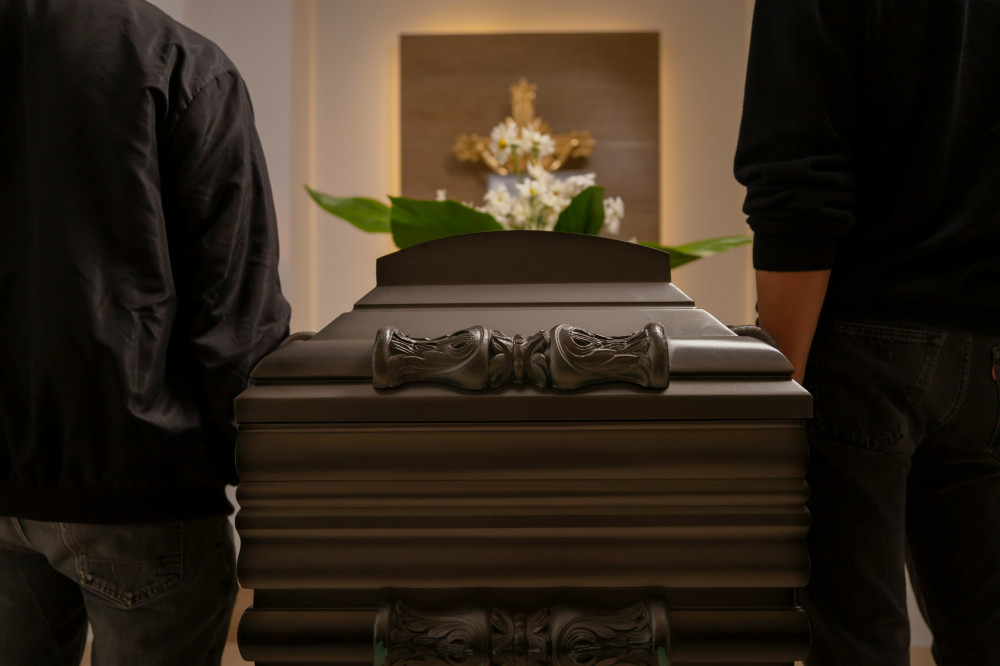
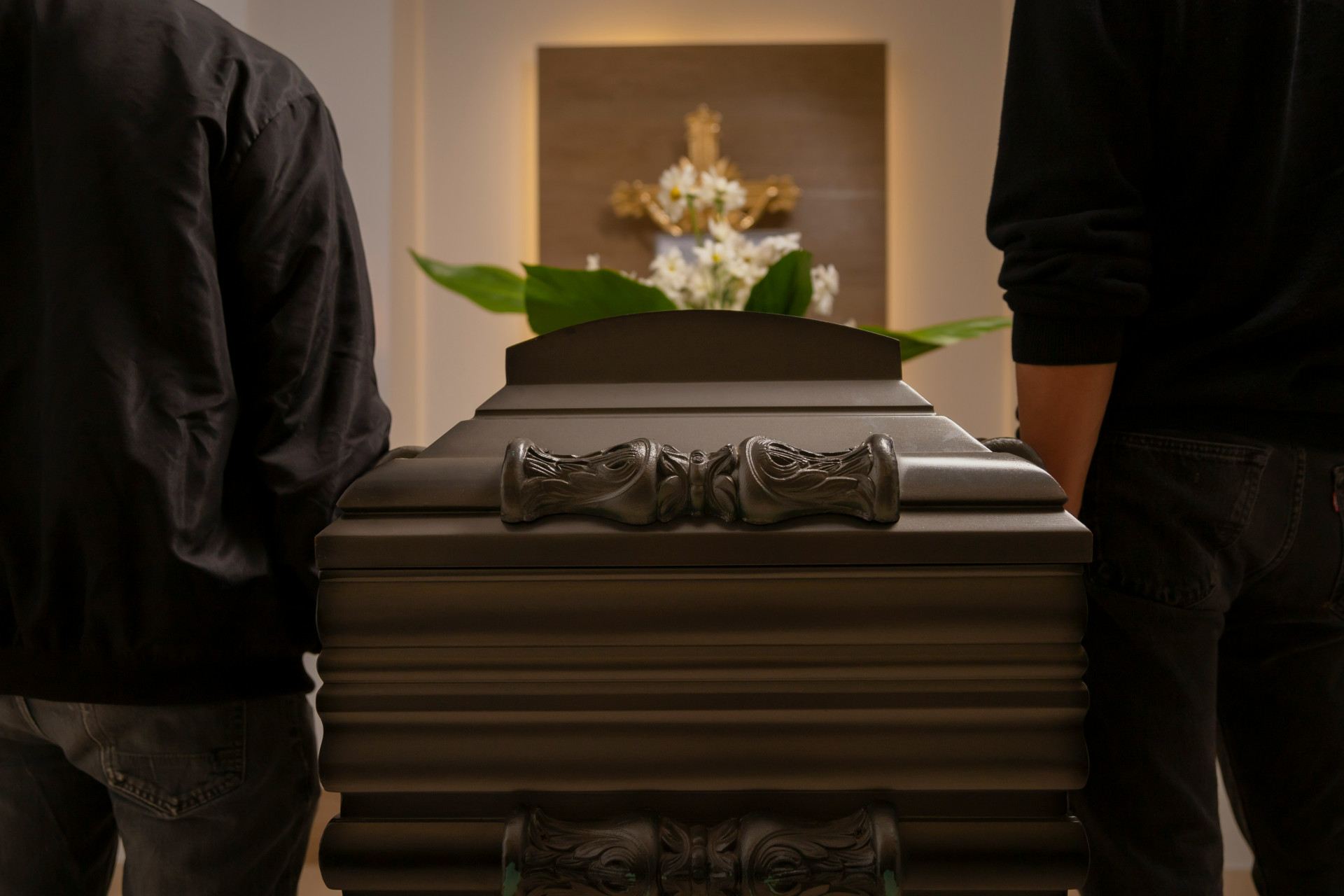
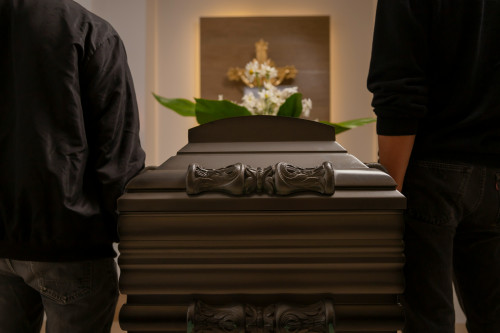
During a funeral or memorial service, the coffin is often the focal point. It may be adorned with flowers, photographs, or symbols of faith. Its presence helps mourners focus their emotions and express their goodbyes.
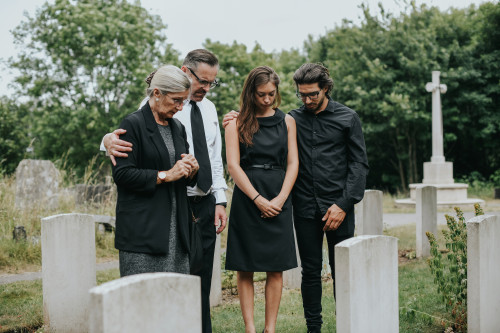
In a burial service, the coffin is lowered into the ground, often accompanied by words of remembrance, prayers, or the placing of earth or flowers on the lid. In a cremation service, the coffin is taken to the crematory, and the ashes are later placed in an urn or scattered according to the family’s wishes.
In both cases, the coffin represents respect and dignity — a final resting place before the body returns to nature.
Colors, Symbols, and Traditions
While many people picture a coffin as dark brown or metallic, there is great variety in color and design. Some families choose lighter tones or even painted coffins that reflect the personality of the deceased. Colors can carry meaning — white for peace, blue for serenity, or green for renewal.
It is also common to include small personal items inside the coffin: a photograph, a letter, a favorite book, or a keepsake. These tokens can make the farewell more intimate and meaningful.
Eco-Friendly and Alternative Coffins
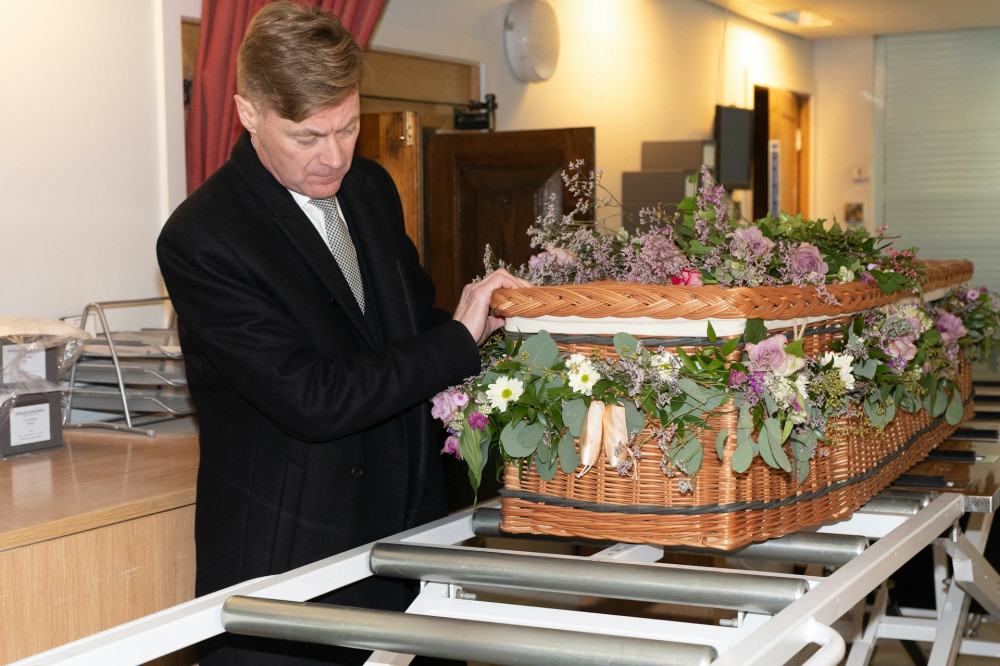
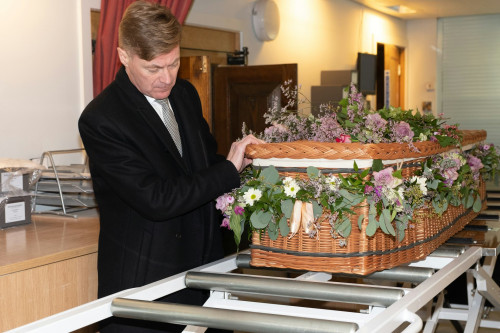
As environmental awareness grows, more Americans are considering green burials and biodegradable coffins. These are made from natural materials such as bamboo, wicker, or untreated wood, and they decompose naturally without harming the environment.
Some cemeteries now offer dedicated green burial sections, where coffins and shrouds are designed to return gently to the earth. For many, this approach brings comfort — knowing that the farewell honors both the person and the planet.
Læs også:

Choosing a Coffin – Practical and Emotional Considerations
Selecting a coffin is often done with the help of a funeral director. It can be a difficult decision during a time of grief, but thinking about what would have felt right for the deceased can help guide the choice.
Consider:
- The type of service (religious, secular, or outdoor).
- Any personal wishes the deceased may have expressed.
- The materials, colors, or designs that feel most meaningful to the family.
The most important thing is that the choice feels right — as part of a loving and respectful farewell.
The Coffin as Part of Memory
Although the coffin is present only briefly, it often remains in memory as a powerful image of parting — a moment when sorrow and love meet. It reminds us that death is a natural part of life and that saying goodbye can be both beautiful and meaningful.
Ultimately, the coffin is more than a vessel; it is a symbol of care, remembrance, and the enduring bond between the living and those they have lost.
Læs også: