Cooking as Self-Care – Take Charge of Your Well-Being and Health

Cooking as Self-Care – Take Charge of Your Well-Being and Health
Cooking isn’t just about feeding yourself. It can also be a way to care for your body and mind—a daily ritual that brings calm, focus, and nourishment. In a culture where takeout and prepackaged meals are often the norm, cooking at home can be a quiet act of self-care. It’s not about perfection or gourmet recipes, but about creating a moment of mindfulness and connection with what you eat.
Food as More Than Fuel
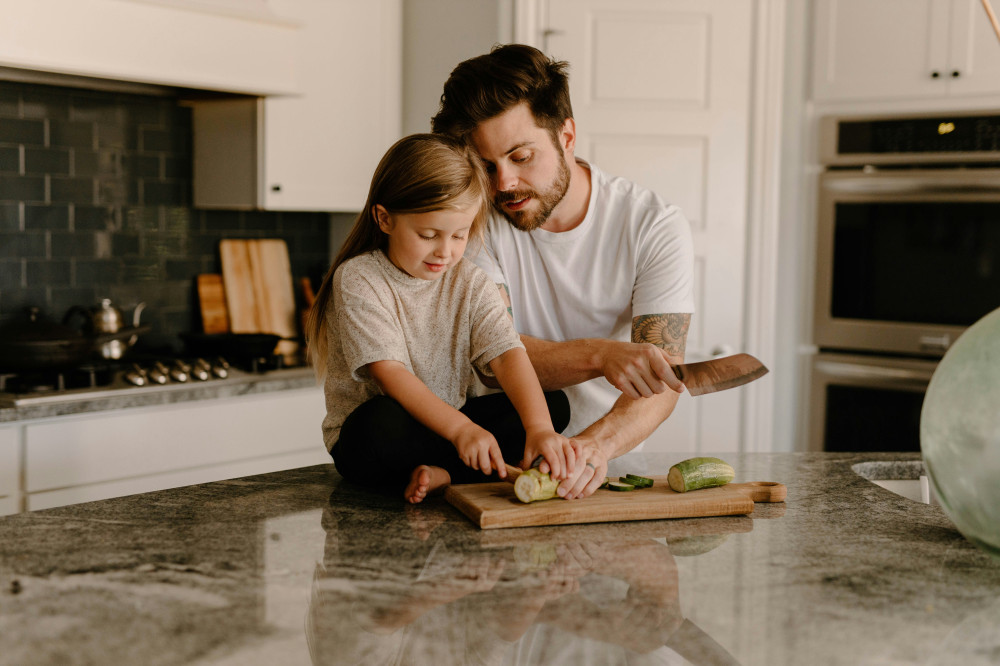
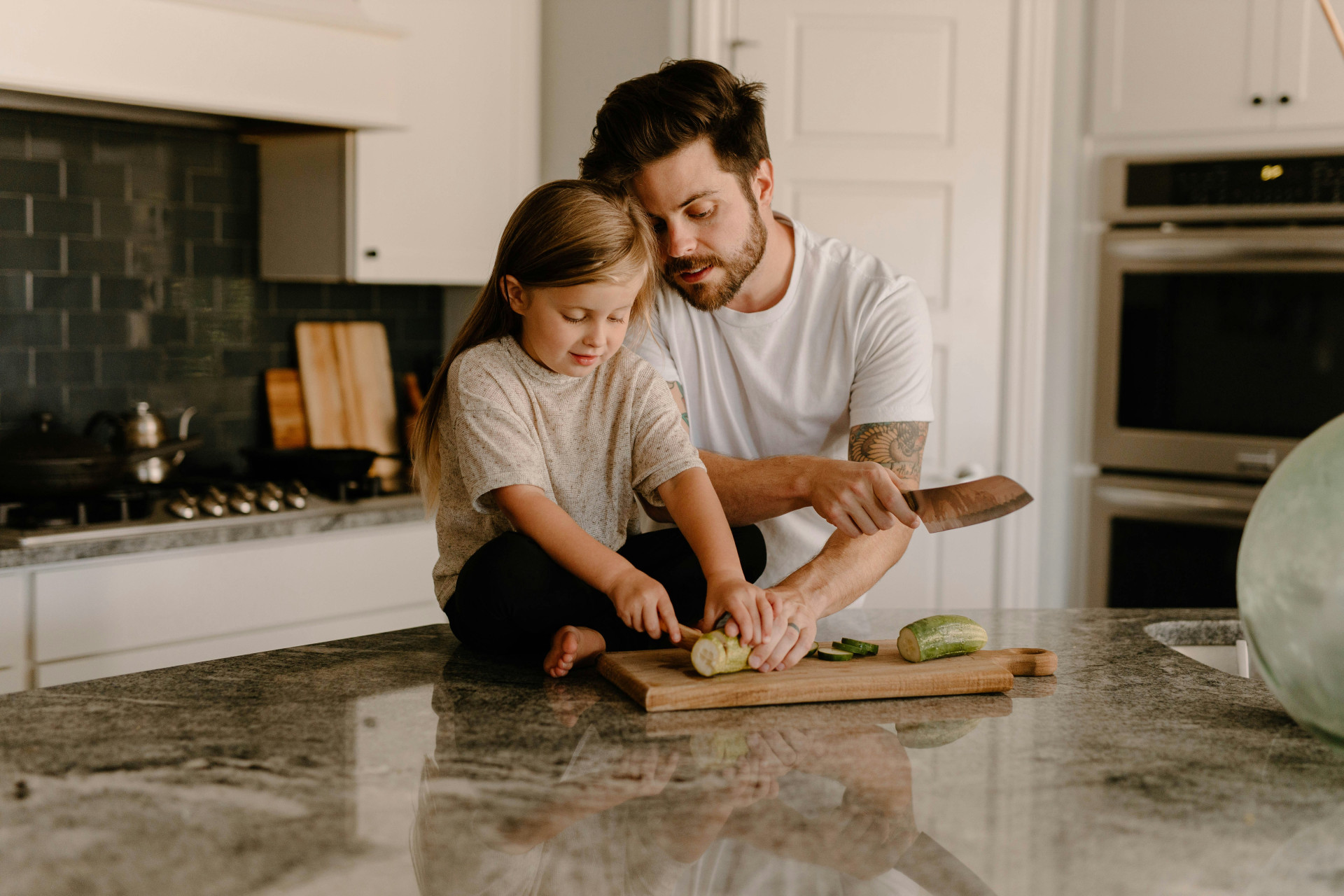
When you chop vegetables, smell fresh herbs, or taste a sauce as it simmers, you engage your senses. These small actions can ground you in the present moment. Cooking can become a space where you step away from the noise of the day and focus on something tangible and rewarding.
Preparing a meal for yourself is also a way to show respect for your body. You’re telling yourself that you’re worth the time and effort—that you deserve a meal made with care. In a world that often pushes us to rush through everything, that message matters.
From Chore to Pause
For many people, cooking feels like a chore—something to get through before you can relax. But what if you saw it as a pause instead? A time to slow down, breathe, and do something good for yourself.
Try creating small rituals around cooking: put on your favorite playlist, clear the counter, light a candle, or open a window to let in fresh air. You don’t need to make elaborate dishes. A simple pasta, a hearty soup, or a colorful salad can be enough. What matters most is being present and enjoying the process.
Health Begins in the Kitchen
Cooking at home gives you control over what goes into your food. You can choose ingredients that nourish you and skip the hidden additives and excess sodium often found in processed meals. This isn’t about restriction—it’s about balance and awareness.
A home-cooked meal can be both healthy and satisfying. Think of a vegetable stir-fry with brown rice, a roasted chicken with seasonal produce, or a breakfast omelet with herbs and greens. When you cook from scratch, you learn what flavors you love and how to eat in a way that supports your energy and well-being.
Læs også:



Cooking as Mental Practice
Cooking can also be therapeutic. It requires focus, patience, and creativity—skills that strengthen with practice. Many people find that cooking helps them unwind because it shifts attention away from stress and toward something hands-on and rewarding.
There’s something deeply satisfying about creating something with your own hands. Watching raw ingredients transform into a finished meal can bring a sense of accomplishment and calm. In times of uncertainty or overwhelm, that feeling of control and creation can be grounding.
Share the Meal – or Enjoy It Alone
Cooking can be a social act, a way to connect with others. Preparing a meal for friends or family is a gesture of care and generosity. Sharing food strengthens relationships and creates moments of togetherness.
But there’s also value in cooking just for yourself. Making a meal for one can be a quiet declaration: “I deserve something good, even when I’m alone.” It’s a simple but powerful form of self-respect.
Make Cooking Part of Your Well-Being
Taking charge of your well-being isn’t only about exercise or sleep—it’s also about how you nourish yourself. By making cooking a regular part of your life, you can build a routine that supports both your physical health and your mental balance.
Start small. Try cooking one meal a week that you truly look forward to. Experiment with new ingredients or flavors. Most importantly, enjoy the process. Cooking as self-care isn’t about impressing anyone—it’s about taking time to care for yourself, one meal at a time.
Læs også: