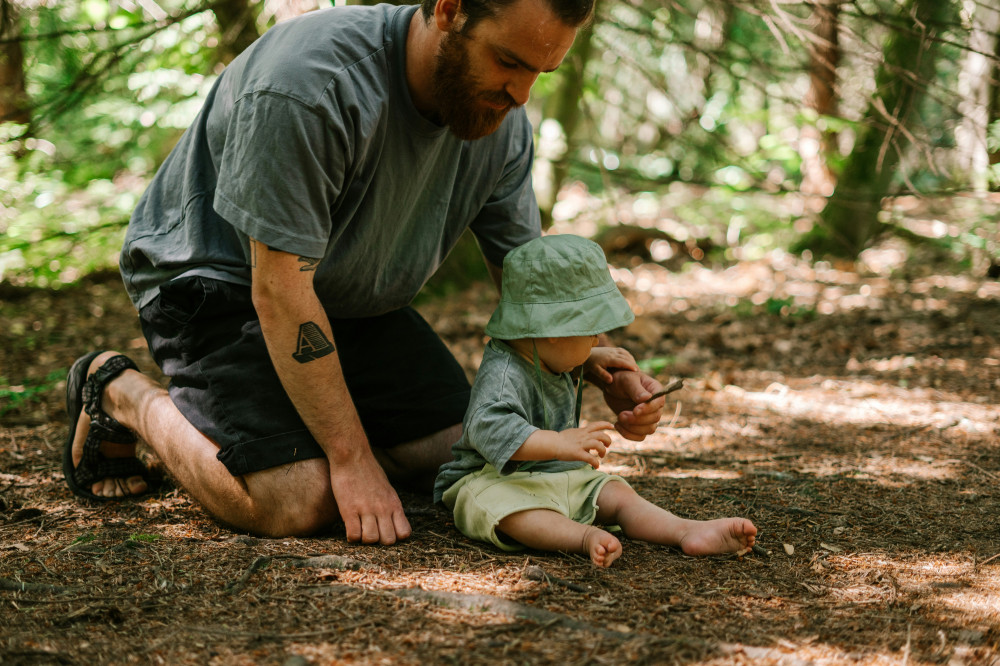
Meaningful Movement: Shared Routines that Embrace Both Individual Differences and Community


Meaningful Movement: Shared Routines that Embrace Both Individual Differences and Community
Movement isn’t just about breaking a sweat—it’s about connection, balance, and finding purpose in how we use our bodies. For many Americans, carving out time for exercise can feel like one more task on an already full schedule. But when movement becomes a shared routine—one that honors both personal goals and a sense of community—it transforms from a chore into a source of energy and belonging. Here’s how to build meaningful movement habits that fit your life and strengthen your connections with others.
Community as Motivation
It’s easier to stay consistent when you’re not doing it alone. A regular workout group—whether it’s coworkers meeting for a lunchtime walk, neighbors gathering for weekend hikes, or friends joining a local pickleball league—can provide both structure and encouragement. When others count on you to show up, skipping out becomes harder, and the activity turns into a social highlight rather than an obligation.
The group doesn’t have to be large. Two people meeting for a morning jog can be just as effective as a full team sport. What matters most is a shared understanding of why you’re there: to move, to connect, and to support one another.
Making Space for Differences
Even within a group, it’s important to recognize that everyone moves for different reasons. Some people train to build strength, others to manage stress, and others simply to stay active. These differences aren’t obstacles—they’re opportunities to learn from one another.
When planning shared activities, flexibility is key. A group might start with a common warm-up, then branch into individual exercises before coming back together to cool down. This approach allows everyone to participate at their own level while still feeling part of the same experience. The goal isn’t uniformity—it’s harmony through diversity.
Integrating Movement into Everyday Life
For movement to be meaningful, it has to fit into real life. That doesn’t always mean joining a gym or signing up for a marathon. It can be as simple as walking your dog after dinner, biking to work, or stretching together before bedtime. Small, consistent actions add up over time.
When movement becomes a natural part of your day, it requires less willpower and brings more joy. That’s where meaning grows—from realistic, repeatable choices that energize rather than exhaust you.
Finding Joy in the Process
Too often, exercise is framed around performance—how fast, how far, how many reps. But the joy of movement lies in the experience itself. It’s in the rhythm of your breath, the feeling of fresh air on your skin, or the calm that follows a good workout. When you focus on how movement feels rather than what it achieves, it becomes more sustainable and rewarding.
Finding that joy takes experimentation. Maybe group fitness isn’t your thing, but you love dancing in your living room. Maybe running feels tedious, but hiking in nature lights you up. The key is to discover what feels right for you—and to keep coming back to it.
Shared Responsibility, Personal Growth
A strong movement community balances shared responsibility with individual growth. You show up for others, but you also take ownership of your own effort. That means being present, doing your best, and accepting that not every day will feel the same.
When you share both the easy and the challenging moments, a deeper bond forms. Movement becomes more than exercise—it becomes a shared journey that strengthens both body and spirit.
Læs også:


Meaningful Movement for the Long Run
Creating meaningful movement isn’t about finding the perfect workout plan. It’s about finding a rhythm that lasts—one that allows room for ambition and rest, individuality and togetherness. When movement becomes a natural, enjoyable part of life rather than a pressure, it’s easier to sustain.
So next time you’re tempted to skip your routine, think about who you’re moving with and why you started. The motivation lives in the meaning—and in the community that moves with you.
Læs også: