From Values to Action: How to Put Your Family Values into Practice Every Day


From Values to Action: How to Put Your Family Values into Practice Every Day
Most families have a set of values they care about—things like kindness, honesty, respect, or togetherness. But between work, school, sports, and the endless to-do lists, it can be hard to live those values out day to day. How do you make sure your family’s values aren’t just nice words on a wall, but something you actually practice? Here’s how to bring your values to life in everyday moments.
Start by Defining What Matters Most
Before you can live your values, you need to know what they are. It sounds simple, but many families realize they’ve never really talked about what’s most important to them.
Set aside some time—maybe over dinner or on a quiet Sunday morning—to talk about what defines your family. Ask questions like:
- What makes us feel happiest as a family?
- What do we want our home to feel like?
- What lessons do we want our kids to carry with them?
Write down three to five core values that feel true to you. They might be things like “we show kindness,” “we tell the truth,” or “we make time for each other.” Keeping the list short helps you focus on what really matters.
Læs også:



Turn Values into Everyday Actions
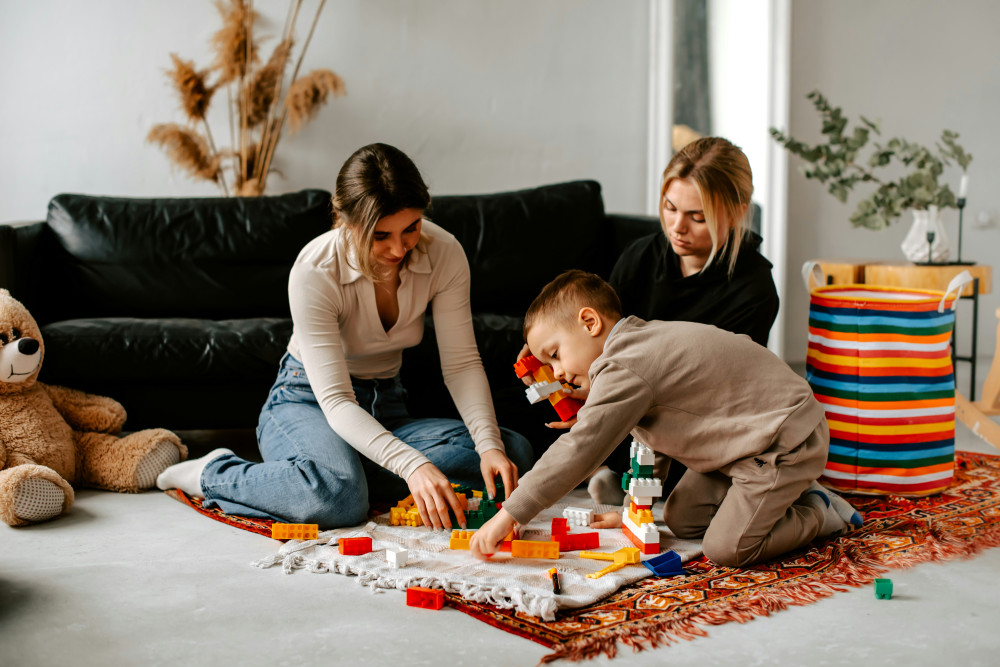
Once you’ve named your values, the next step is to make them visible in daily life. A value like “respect” might mean listening when someone else is talking or cleaning up after yourself. “Togetherness” might mean putting phones away during dinner or planning a weekly family night.
Try creating small habits that reflect your values, such as:
- A weekly family activity—a walk, a game night, or cooking together.
- A short family check-in, where everyone shares what’s going well and what could be better.
- Simple rituals, like saying what you’re grateful for at bedtime or sharing a “highlight of the day” at dinner.
The more specific you make your values, the easier it is for everyone—kids and adults alike—to live by them.
Involve Your Kids in the Process
Children are more likely to embrace family values when they help shape them. Instead of telling them what’s important, ask for their ideas about how to live those values.
You might ask, “What does being kind look like to you?” or “How can we show honesty in our family?” When kids help come up with examples, the values feel more real and personal—and they’re more likely to remember them.
Model the Values You Want to See
Kids learn far more from what we do than from what we say. If you talk about respect but interrupt each other or lose your temper easily, the message gets lost. The best way to teach values is to live them yourself.
That doesn’t mean being perfect—it means being aware. When you make a mistake, use it as a chance to show how to take responsibility and apologize. Those small, honest moments are where values truly take root.
Make Room for Differences
Even in close families, people will see things differently. One person’s idea of “togetherness” might mean doing everything as a group, while another might need quiet time alone. That’s okay. The goal isn’t to agree on every detail, but to talk about differences with respect and curiosity.
Values shouldn’t feel like strict rules—they’re more like guiding principles that help you understand and support each other better.
Keep Your Values Alive
Family values aren’t something you decide once and forget. They grow and change as your family does. Maybe your priorities shift as your kids get older, or as you move, change jobs, or face new challenges.
Make it a habit to revisit your values a few times a year. Ask, “Are we living the way we want to?” and “Is there anything we’d like to adjust?” These conversations can be meaningful reminders of what connects you as a family.
From Words to Everyday Life
Putting your family values into action isn’t about being perfect—it’s about being intentional. When you take time to talk about what matters and try to live it out, you build a stronger sense of connection and trust.
It’s in the small, everyday choices that values come alive: in how you speak to each other, how you help one another, and how you share your time. That’s where family life becomes not just busy, but deeply meaningful.
Læs også: