Play and Conversation as Pathways to Emotional Resilience

Play and Conversation as Pathways to Emotional Resilience
Emotional resilience isn’t about avoiding difficult feelings—it’s about learning to navigate them when they arise. For children, this ability doesn’t develop through lectures or strict rules, but through everyday moments of connection—through play, through conversation, and through the sense of safety that comes when adults show genuine interest and presence. Play and conversation are two of the most natural and powerful ways to help children build emotional resilience.
Play as an Emotional Training Ground
When children play, they process experiences, test boundaries, and practice understanding both their own and others’ emotions. In pretend play, for example, a child might take on the role of the leader or the one being comforted—experimenting with power, empathy, and cooperation in a safe space.
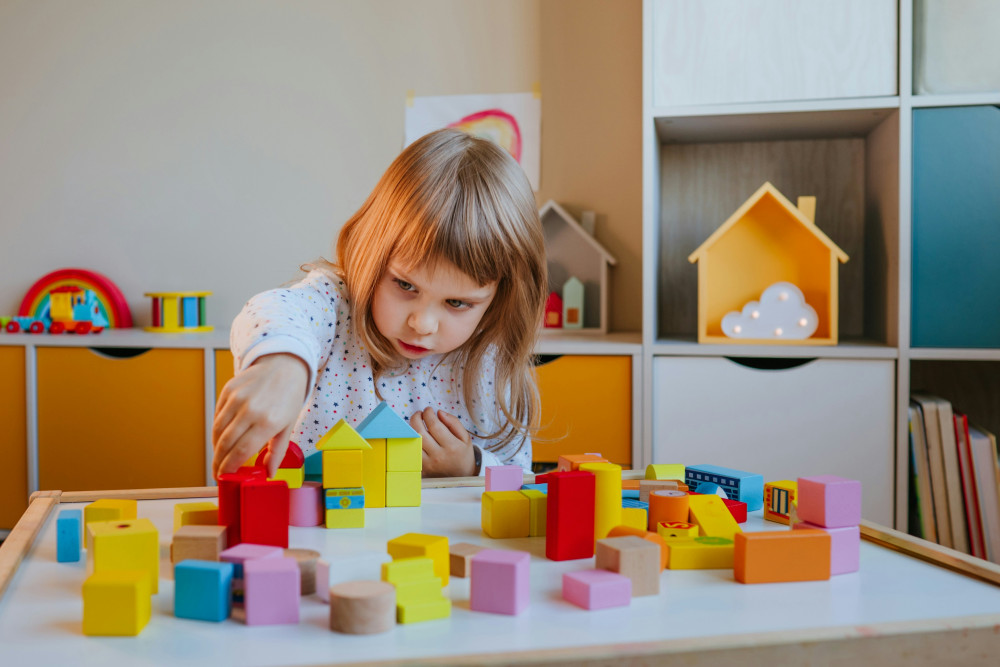
Play allows children to fail without fear. A child who loses a game learns to handle disappointment. A child whose block tower collapses learns to try again. These small experiences become the building blocks of resilience, helping children face life’s bigger challenges later on.
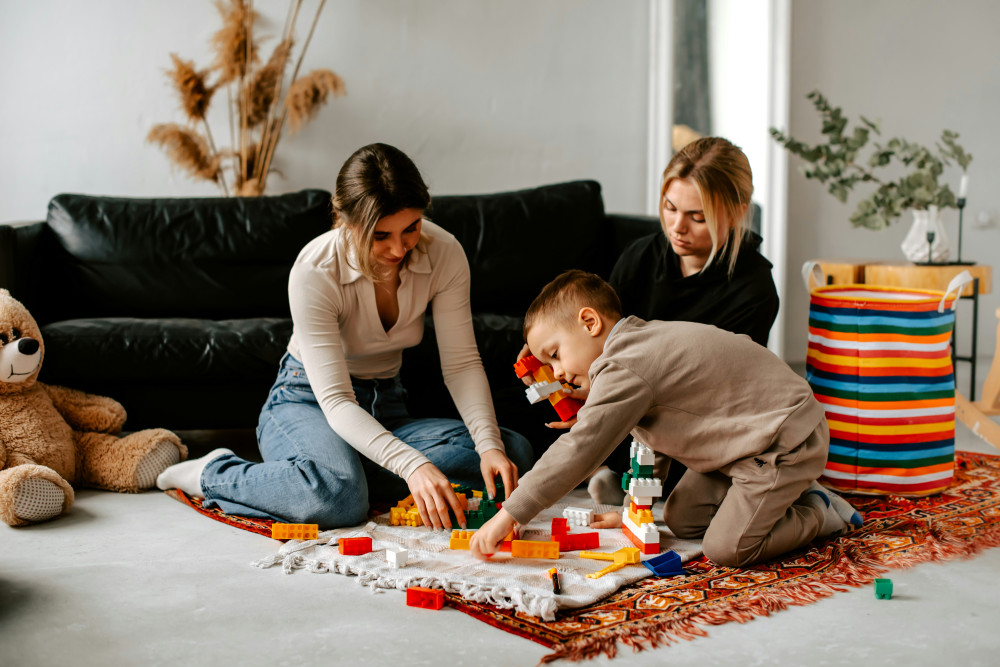
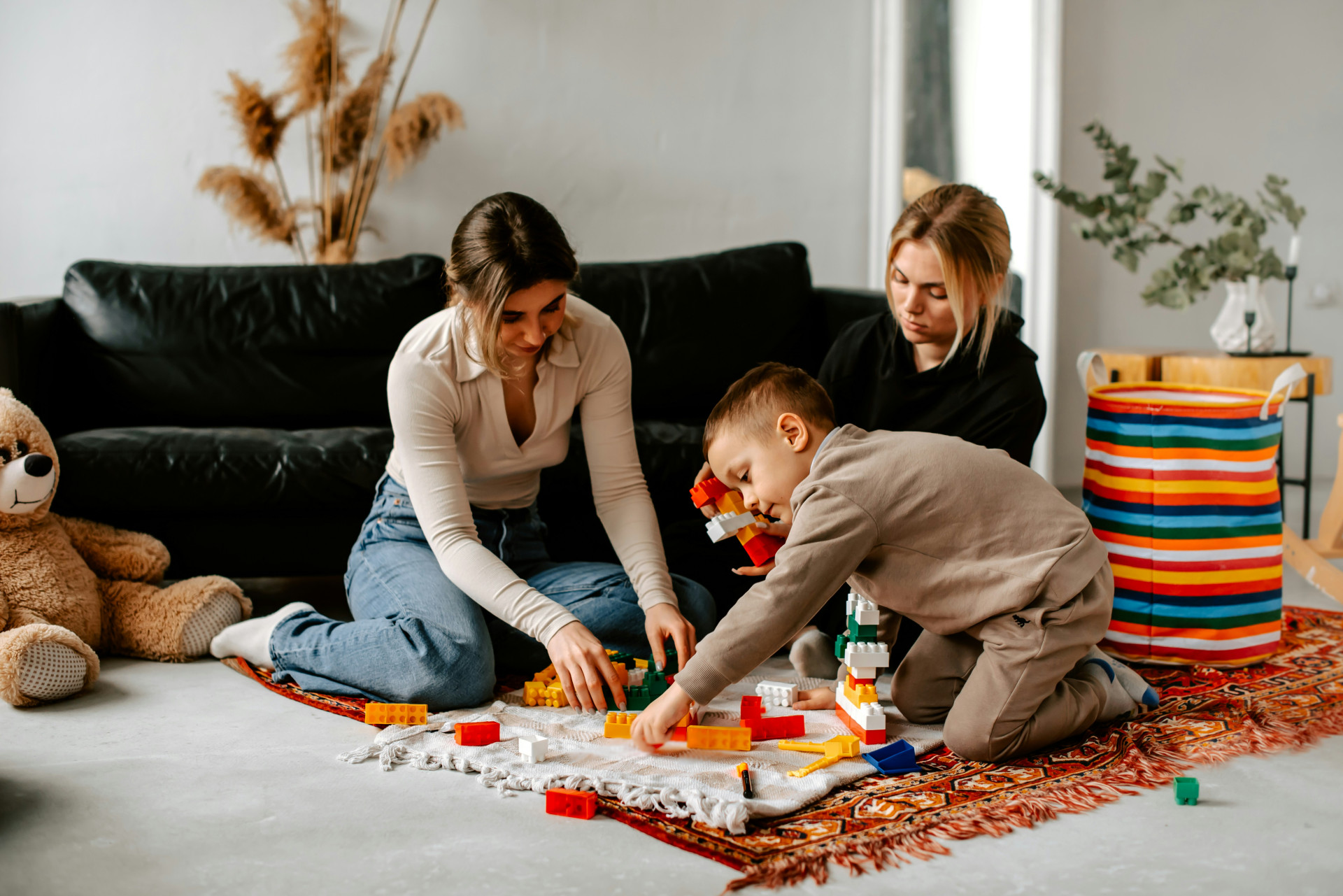
Adults can support this process by joining in play on the child’s terms. It’s not about directing or correcting, but about being present—showing that you see and understand what’s happening. When you follow the child’s lead and share in their joy, you strengthen both the relationship and the child’s confidence.
Conversation as Mirror and Support
Conversations with children don’t have to be deep to be meaningful. What matters most is that the child feels safe to share thoughts and feelings without fear of judgment. When you ask about their day and truly listen to the answer, you show that their experiences matter.
As children put feelings into words, they begin to understand them. You can help by naming what you see: “You look disappointed because it didn’t go the way you hoped.” This helps children learn that emotions can be described and managed—not hidden or ignored.
It’s also important to show that all feelings are acceptable, even if not all behaviors are. A child can be angry, but not hit. That distinction is central to emotional resilience: being able to feel emotions fully without letting them control one’s actions.
Læs også:


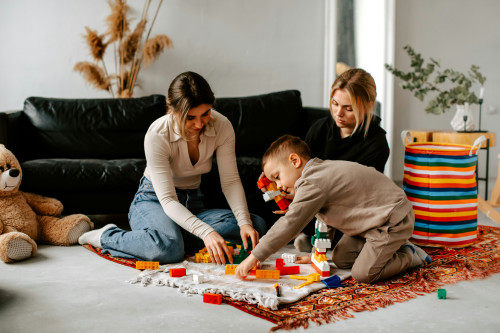

When Play and Conversation Meet
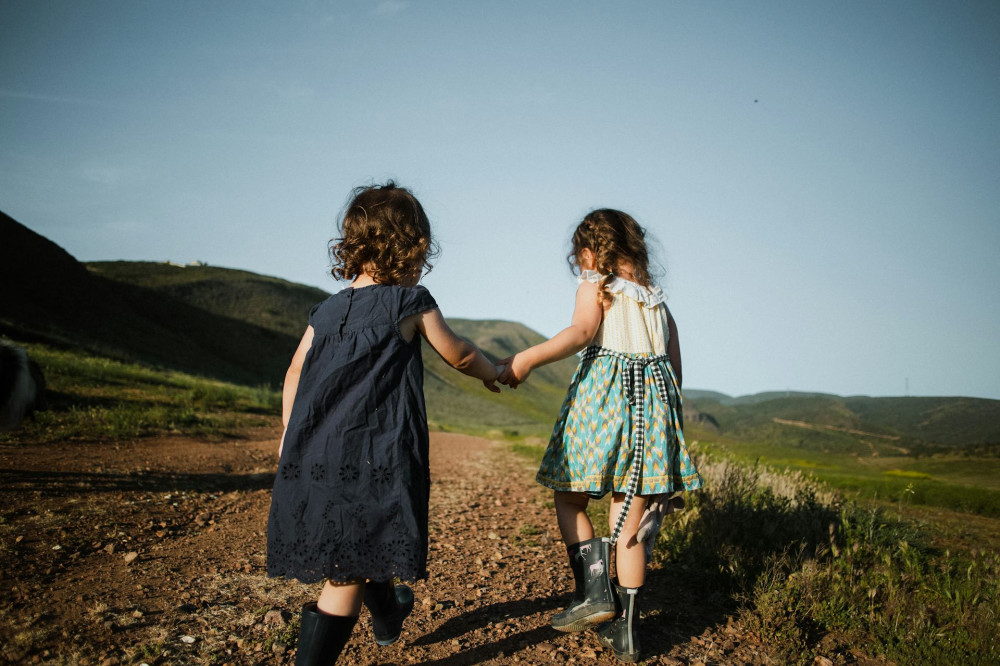
Often, the best conversations happen in the middle of play. While building with blocks, drawing, or walking together, the atmosphere becomes more relaxed, and children open up more easily. These are the moments when adults can help children put words to experiences that might otherwise be hard to talk about.
Play and conversation complement each other. Play gives children experiences that conversation can help them make sense of. Conversation provides understanding that play can bring to life. Together, they create a safe space where emotional growth can flourish.
The Adult’s Role: Safety and Curiosity
Emotional resilience doesn’t grow in isolation. It develops in relationships where children feel seen, heard, and understood. As an adult—whether a parent, teacher, or caregiver—your most important task is to create the sense of safety that allows a child to explore the world and themselves.
This doesn’t require special training or elaborate tools, but rather presence and curiosity. When you show genuine interest in a child’s thoughts and take them seriously, you send a powerful message: “You matter, and your feelings matter.” That message forms the foundation for a child who dares to feel, think, and act—even when life gets tough.
A Resilience That Lasts
Children who learn to understand and manage their emotions stand stronger as teenagers and adults. They become better at cooperating, resolving conflicts, and staying calm under pressure. Play and conversation are therefore not just pleasant activities—they are investments in a child’s long-term well-being.
In the end, building emotional resilience is about giving children the tools to be human—with all the joy, frustration, hope, and doubt that come with it. And those tools are best shaped in the meeting point between the freedom of play and the closeness of conversation.
Læs også: