Get the Kids Involved: Plan the Weekend Together as a Family Project

Get the Kids Involved: Plan the Weekend Together as a Family Project
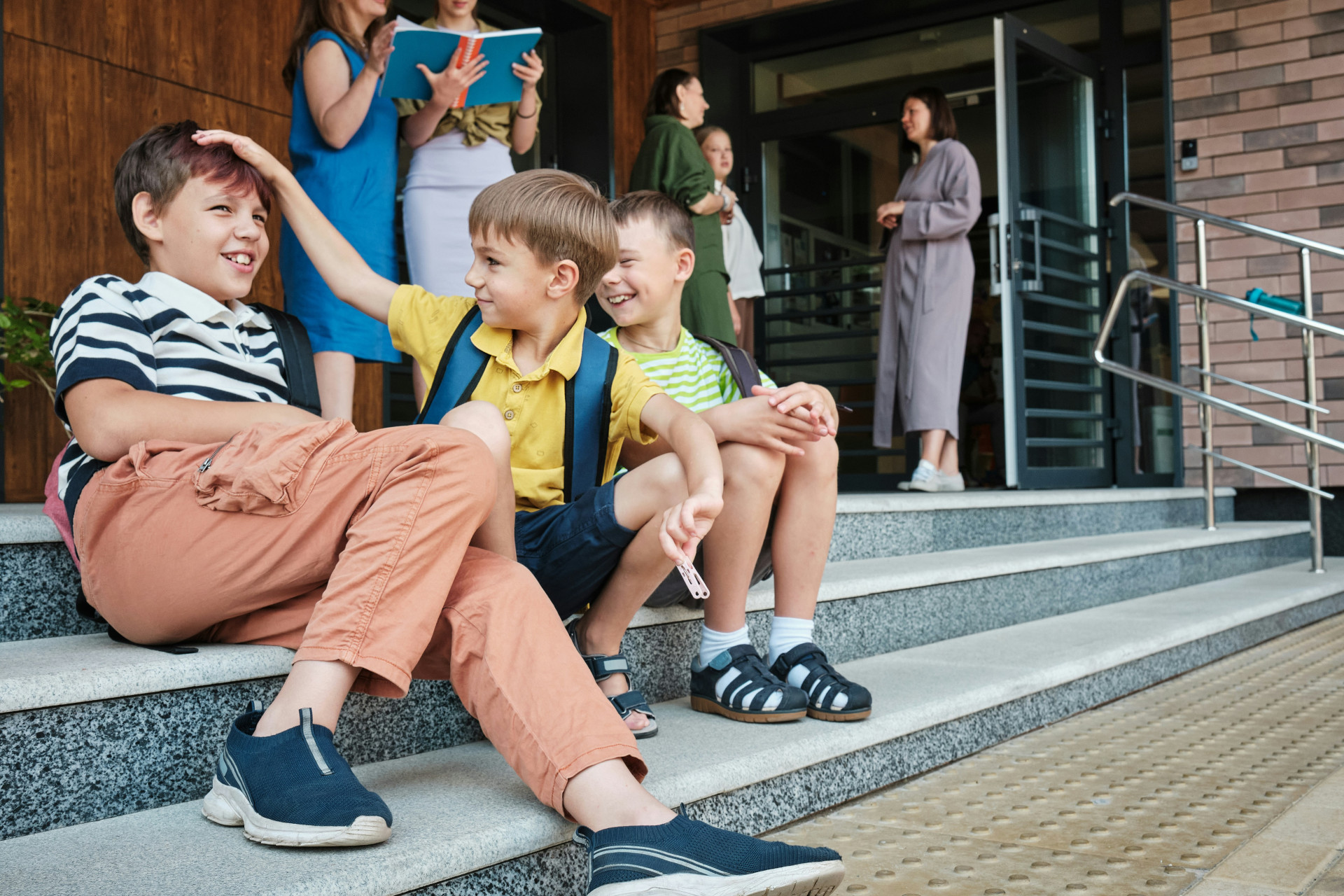
For many American families, the weekend is a precious break from the busy rhythm of work, school, and after‑school activities. But too often, it slips away in errands, screen time, and last‑minute decisions. By involving your kids in planning, the weekend can become a shared project—something everyone looks forward to and feels part of. It’s not about creating the “perfect” weekend, but about creating it together.
Why Involve the Kids?
When children help plan the weekend, they feel heard and valued. It builds their sense of responsibility, teamwork, and decision‑making skills. They also learn that a fun weekend doesn’t just happen—it’s something the family creates through cooperation and consideration.
For parents, it can be refreshing to see the weekend through their children’s eyes. Kids often come up with ideas that break routines and bring new energy to family time. Maybe they’ll suggest a backyard campout, a pancake breakfast, or a trip to a local park—simple activities that strengthen connection and create memories.
Læs også:


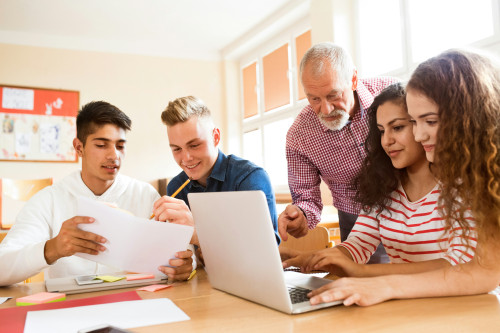
Start with a Family Conversation
Friday evening is a great time to gather everyone around the table. Make it cozy with snacks or hot chocolate, and talk about what each person would like to do over the weekend. You can jot ideas down on a whiteboard or a big sheet of paper.
Ask your kids:
- What would you like to do this weekend?
- Is there something new you’d like to try?
- What would make the weekend fun for all of us?
Once everyone has shared, choose a few activities that fit your time, budget, and energy level. The goal isn’t to please everyone every time, but to make sure everyone feels heard.
Make the Plan Concrete
After deciding on the main activities, let the kids help with the details. This gives them ownership and teaches practical skills.
- Younger kids can draw a “weekend map” with pictures of what you’ll do.
- Older kids can help find recipes, pack for outings, or make a shopping list.
- Teens can take charge of an activity—organizing a movie night, planning a hike, or cooking a meal.
When children take responsibility, their enthusiasm grows—and so does the sense of teamwork.
Balance Activity and Rest
A great weekend isn’t about doing the most, but about finding balance. Kids and adults alike need both movement and downtime.
Try planning one active day and one slower day. For example:
- Saturday: a family bike ride, a visit to a local farmers market, or a trip to the zoo.
- Sunday: a relaxed morning with pancakes, board games, or a family movie.
By mixing energy and calm, kids learn that a meaningful weekend doesn’t require big events—just time spent together.
Turn the Weekend into a Learning Experience
When the weekend becomes a family project, it’s also a chance for kids to learn life skills. They practice planning, negotiating, and thinking about others’ needs. They see that their ideas can shape real experiences—and that teamwork makes things happen.
As a parent, you can guide the process by asking open‑ended questions and showing genuine interest. The goal isn’t to control the plan, but to support your children as they take part in it.
Reflect Together
On Sunday evening, take a few minutes to talk about how the weekend went. What did everyone enjoy most? What could you do differently next time? This reflection helps kids feel that their opinions matter and makes it easier to plan future weekends.
You might even start a new tradition—a short “family planning session” every week. It’s a simple way to build structure, connection, and anticipation.
A Weekend with Purpose
When the weekend becomes a shared family project, it’s no longer just about filling time—it’s about spending it meaningfully. It strengthens relationships, builds confidence, and reminds everyone that the best weekends aren’t necessarily the most elaborate ones. They’re the ones where everyone feels included, valued, and together.
Læs også: