Play and Learning Go Hand in Hand – How Play Strengthens Children’s Cooperation Skills

Play and Learning Go Hand in Hand – How Play Strengthens Children’s Cooperation Skills
When children play, they’re doing much more than stacking blocks, drawing pictures, or kicking a ball. Play is a vital part of their development—socially, emotionally, and cognitively. Through play, children practice cooperation, negotiation, listening, and empathy. These are skills that not only help them in childhood but also form the foundation for how they will participate in communities and relationships later in life.
In this article, we’ll explore how play and learning go hand in hand, and how parents, teachers, and caregivers can support children’s cooperation skills through play.
Play as a Social Training Ground
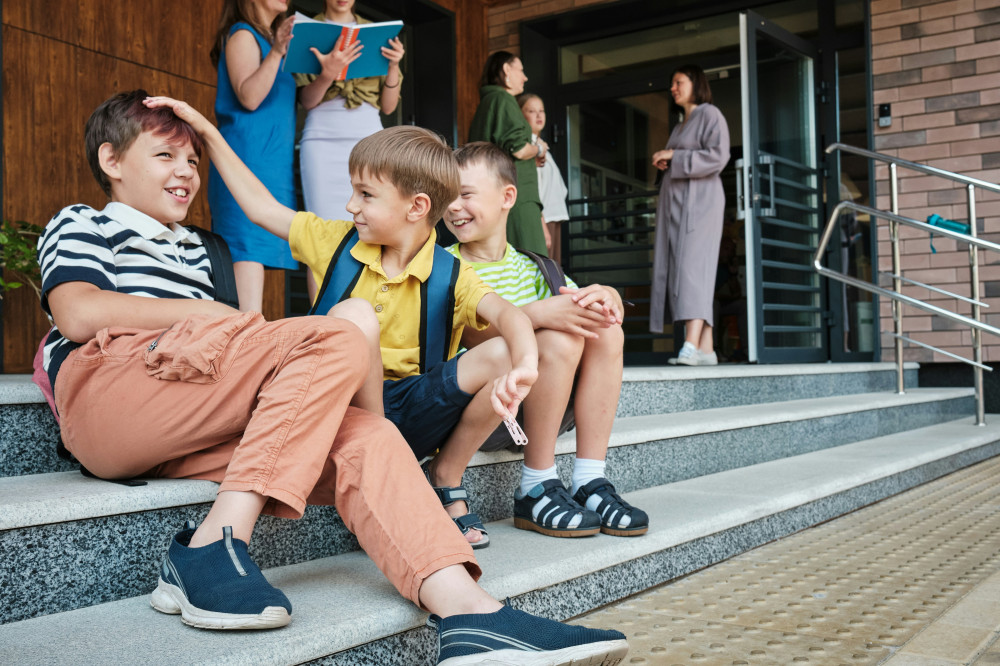
Play is children’s natural way of exploring the world. When they play together, they encounter situations that require them to agree on rules, assign roles, and solve conflicts. This calls for communication and understanding—key ingredients in developing cooperation.
A child who learns to take turns, listen to others’ ideas, or find compromises gains experiences that can later be applied to schoolwork, sports, and friendships. Play provides a safe space where children can practice being part of a group without fear of failure.
Cooperation Through Role Play and Shared Projects
Role play—like pretending to run a store, play family, or be superheroes—is a classic example of cooperative play. Children must agree on who plays which role and how the story unfolds. This requires imagination as well as flexibility to adapt to others’ ideas.
Building projects, board games, and creative activities also strengthen cooperation. When children build a fort together or put on a play, they must plan, divide tasks, and help one another. They experience firsthand that teamwork leads to shared success.
The Adult’s Role – Support Without Controlling
As adults, it can be tempting to step in when play gets complicated. But often, children learn the most when they’re allowed to find their own solutions. The adult’s role is to create the right environment for play and offer support when needed—not to take over.
For example, you might help children put words to their feelings: “I can see you felt upset when your idea wasn’t heard. How can we make sure everyone gets a turn to share?” This kind of guidance helps children learn to handle disagreements constructively.
Læs også:

Play in the Classroom – Learning Through Collaboration
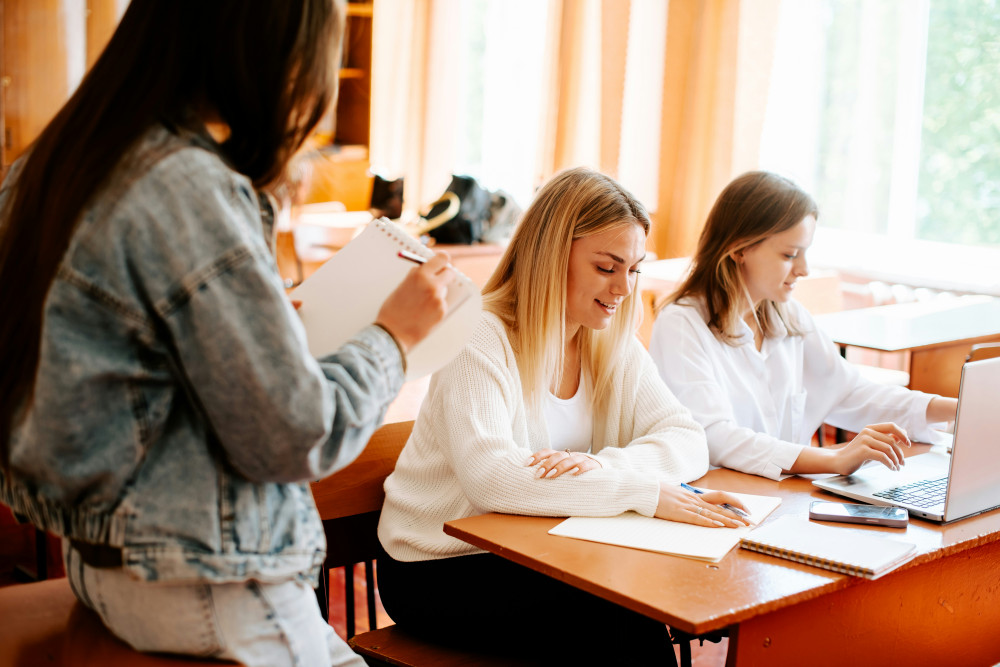
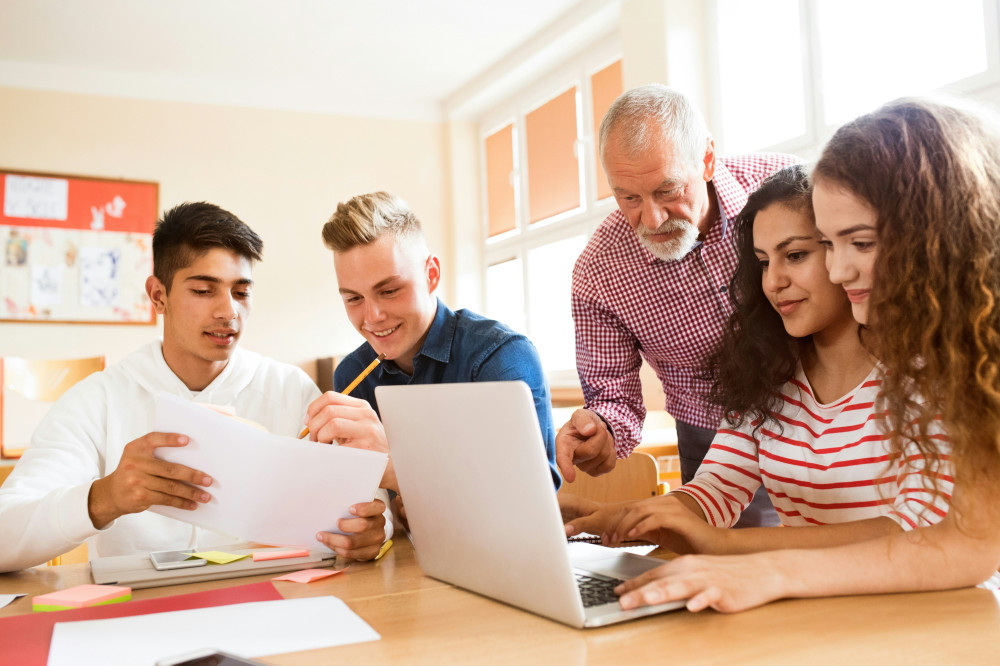
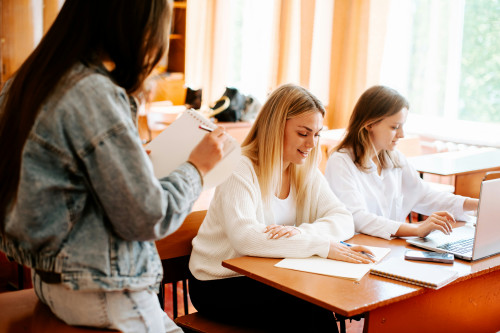
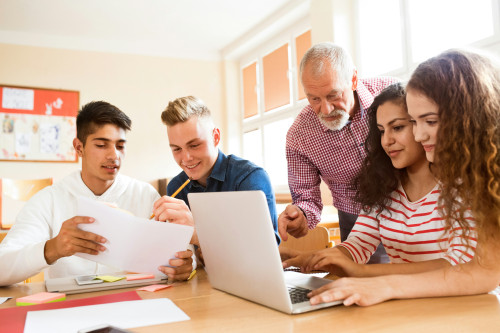
Even in school, where the focus is often on academic learning, play has an important role. Many teachers now use playful learning methods that encourage students to collaborate, experiment, and learn through movement and creativity.
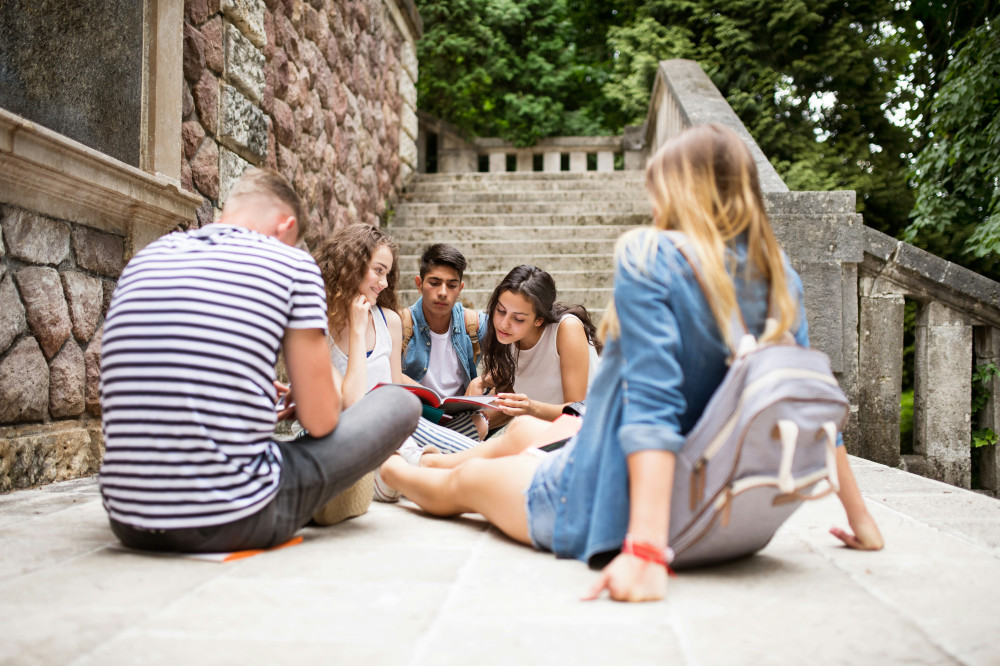
Group projects, cooperative games, and hands-on activities can strengthen classroom relationships and make it easier for students to learn from one another. When children experience learning as fun and shared, both motivation and well-being increase.
Digital Play and Cooperation
In today’s world, much of children’s play happens online. Cooperative video games, where players must solve challenges or build something together, can also strengthen teamwork—when used thoughtfully.
The key is ensuring that play, whether digital or physical, encourages communication, shared decision-making, and reflection. Adults can help by talking with children about what they experience in the game and how they work together.
How to Encourage Cooperation Through Play
If you want to support children’s cooperation skills, focus on play that requires teamwork and communication. Here are a few ideas:
- Build something together – a tower, a fort, or an obstacle course. It takes planning and teamwork.
- Create shared stories – one child starts, and the others continue. This builds imagination and listening skills.
- Play games with rules – children learn to follow agreements and handle both winning and losing.
- Try cooperative games – like scavenger hunts or team challenges, where everyone must help each other to reach the goal.
The most important thing is that play feels fun and meaningful. When children feel safe and engaged, they learn best.
Play as the Foundation for Community
Cooperation isn’t something children learn through instruction—it’s something they experience and practice in real life. Play gives them that opportunity: to try, fail, negotiate, and find solutions together.
When we, as adults, value play and make room for it in daily life, we invest in children’s social skills and well-being. In the end, it’s through play that children learn what it means to be part of a community—and that everything is more fun when you do it together.
Læs også: