Interaction as Learning – How Relationships Strengthen Children’s Development

Interaction as Learning – How Relationships Strengthen Children’s Development
Children’s growth doesn’t happen in isolation. It unfolds through connection – in play, conversation, and shared experiences. The interactions between children and adults, and among children themselves, are some of the most powerful drivers of learning. When relationships are safe, curious, and respectful, they create a foundation where children feel free to explore, make mistakes, and try again. This article explores how interaction can be used as an active part of learning – at home, in early childhood programs, and in school.
Relationships as Learning Spaces
Children don’t just learn by listening or watching; they learn by participating. When adults engage in a child’s world – asking questions, showing interest, and sharing experiences – learning becomes a shared process. It’s less about teaching and more about being in dialogue.
Imagine a child stacking blocks, and an adult asks, “What do you think will happen if we put the big block on top?” The question invites reflection and experimentation. The child learns through action and conversation, while the adult acts as a co-explorer rather than an instructor.
Safety as the Foundation for Growth
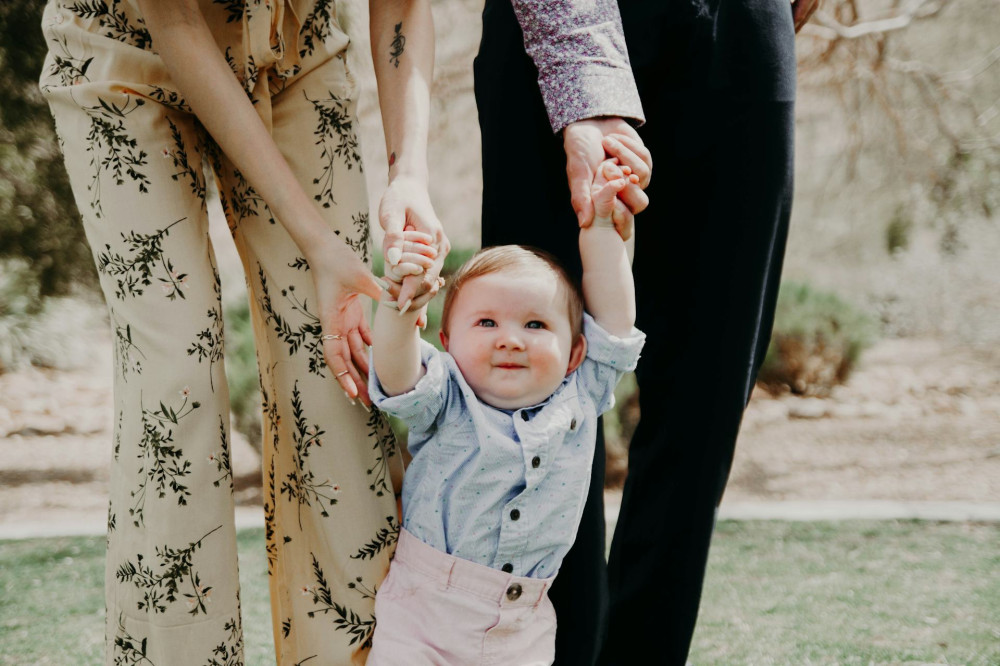
Research in child development consistently shows that children learn best when they feel secure and seen. A stable, trusting relationship with adults gives children the confidence to explore their surroundings. Safety doesn’t mean avoiding challenges; it means knowing that support is available when things get tough.
In practice, this means meeting children with patience and respect – even when they’re frustrated or withdrawn. When adults show that all feelings are acceptable, children learn to regulate their emotions and handle setbacks. This emotional understanding is a cornerstone of social and cognitive development, forming the basis for all later learning.
Play as Interaction – Learning in Motion
Play is children’s natural way of learning. Through play, they practice cooperation, negotiation, initiative, and empathy. When adults join in on the child’s terms – without taking over – play becomes a rich learning environment.
- Pretend play builds empathy and language as children imagine different perspectives.
- Building and construction play develops logical thinking and problem-solving.
- Movement games strengthen motor skills, body awareness, and teamwork.
The key is to let play unfold freely while offering gentle support. A simple “Tell me what’s happening now” can open the door to new ideas and reflections.
Læs også:
Everyday Moments as Learning Opportunities
Learning through interaction doesn’t require special activities. It happens in everyday moments – cooking dinner, setting the table, walking to the park, or reading together. Daily routines are full of opportunities to strengthen relationships and spark curiosity.
When a child helps bake cookies, they learn about measurement, time, and cooperation. When you talk about what you see on the way to preschool, you build language and observation skills. What matters most is that the child feels their contribution counts – that they are part of something shared.
The Adult as Role Model
Children learn not only from what adults say but from what they do. The way adults handle conflict, show care, and collaborate becomes a model for children’s own behavior. When adults demonstrate listening, apologizing, and problem-solving, children develop social skills that extend far beyond childhood.
This also means adults must be mindful of their own role in interactions. Creating learning through relationships requires presence, patience, and the willingness to slow down. It’s often in the quiet moments – when we truly see the child – that growth takes root.
Interaction as Lifelong Learning
Learning through relationships doesn’t end in childhood. It’s a lifelong process shaped by our encounters with others. When children experience early on that interaction is a source of learning, they grow up believing that collaboration and community lead to understanding – not competition alone.
Every time we meet a child with curiosity and respect, we plant a seed. A seed that can grow into a lifelong love of learning – together with others.
Læs også: