Eat with the Seasons – Use a Seasonal Calendar as Your Kitchen Compass

Eat with the Seasons – Use a Seasonal Calendar as Your Kitchen Compass
Eating with the seasons is about more than just following the calendar—it’s a way to enjoy fresher produce, fuller flavors, and a more sustainable kitchen. When you use a seasonal calendar as your kitchen compass, you’re not only getting fruits and vegetables at their peak, but you’re also supporting local farmers and reducing your environmental footprint. Here’s how you can let the rhythm of the seasons guide your meals.
Why Eat Seasonally?
Choosing ingredients that are in season means enjoying them when they naturally thrive. That’s when they’re most flavorful, nutrient-rich, and affordable. Think of juicy tomatoes in July or crisp apples in October—foods that taste like the season itself. Out-of-season produce often travels long distances or grows in energy-intensive greenhouses, which can dull both flavor and freshness.
Eating seasonally also helps the planet. Local, in-season foods require less transportation, refrigeration, and packaging. It’s a simple way to make your diet more sustainable—good for the earth and your wallet.
Spring: Fresh Starts and Green Shoots
Spring marks the return of color and crunch to the kitchen. After winter’s hearty dishes, lighter, brighter flavors take center stage.
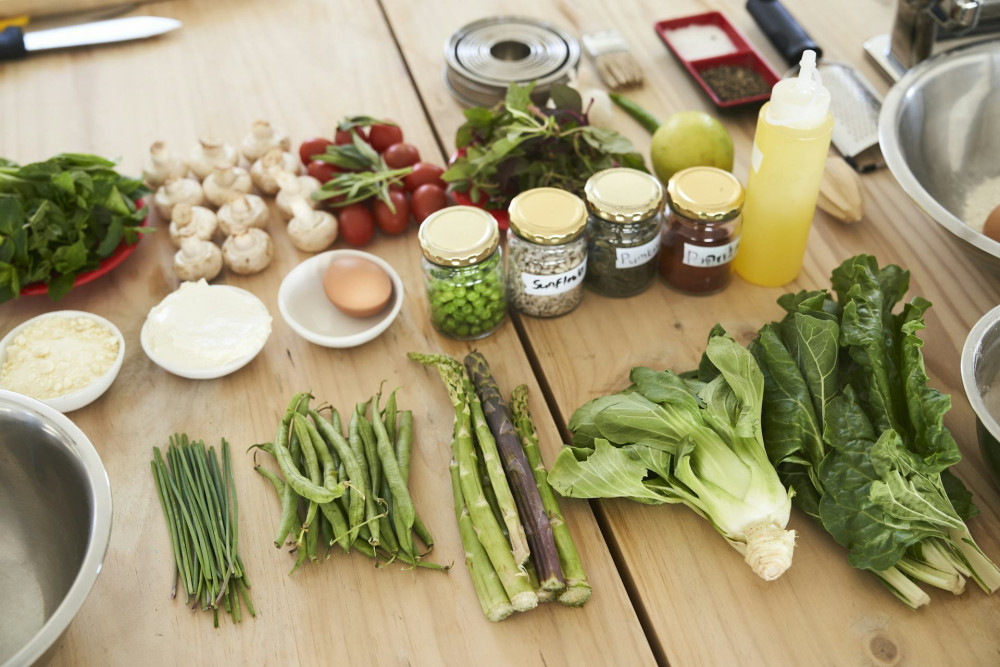
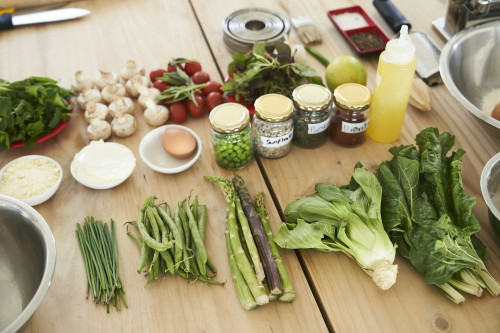
- Vegetables: Asparagus, peas, spinach, radishes, artichokes, and spring onions.
- Fruits: Strawberries, rhubarb, and the last of stored apples.
- Tips: Try a salad of roasted asparagus with lemon vinaigrette, or bake a strawberry-rhubarb crisp to celebrate the season’s first fruits.
Spring is also the perfect time to plant herbs like basil, parsley, and chives—whether in your garden or on a sunny windowsill.
Summer: Abundance and Color
Summer is the season of plenty. Farmers’ markets overflow with vibrant produce, and every meal can be a celebration of freshness.
- Vegetables: Tomatoes, cucumbers, zucchini, corn, peppers, and green beans.
- Fruits: Blueberries, peaches, cherries, melons, and blackberries.
- Tips: Make chilled soups, colorful salads, and grilled vegetable platters. Preserve the season by freezing berries or making homemade jam—you’ll thank yourself in winter.
Summer is also ideal for simple, no-fuss meals: grain bowls with fresh herbs, grilled corn, and a drizzle of olive oil capture the essence of the season.
Læs også:
Fall: Warmth and Harvest
Fall brings a shift toward comfort and depth. It’s the time for cozy meals and earthy flavors.
- Vegetables: Squash, sweet potatoes, carrots, kale, beets, and Brussels sprouts.
- Fruits: Apples, pears, figs, and late-season grapes.
- Tips: Roast root vegetables with rosemary, make hearty soups, or bake an apple crisp. Fall is also the season for preserving—store squash and potatoes in a cool place, or freeze soups for easy winter meals.
Autumn’s harvest reminds us to slow down and savor the richness of the year’s bounty.
Winter: Comfort and Creativity
Winter may seem sparse, but it’s full of opportunities to get creative with what’s available. Root vegetables, hearty greens, and stored produce take the spotlight.
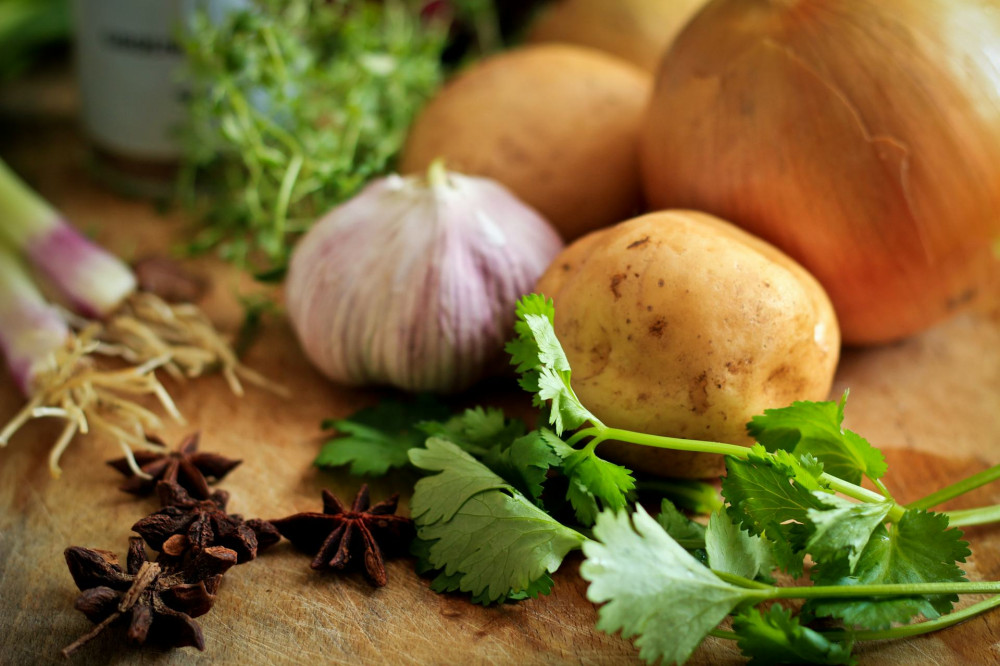
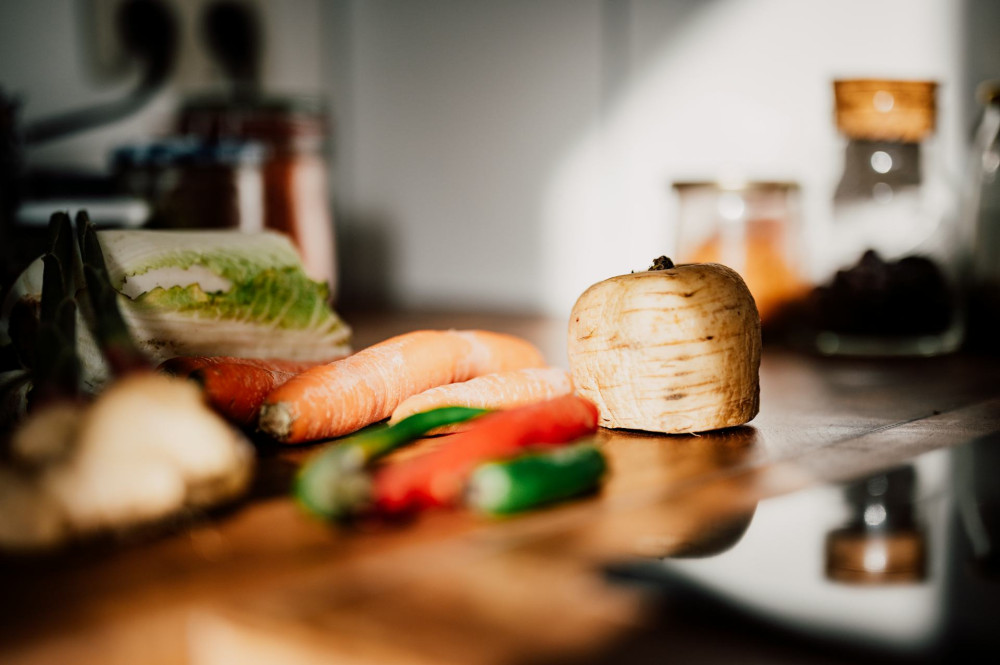
- Vegetables: Cabbage, carrots, potatoes, onions, and turnips.
- Fruits: Citrus, apples from storage, and pomegranates.
- Tips: Make stews, roasted vegetable medleys, or braised greens. Experiment with fermentation—sauerkraut or kimchi adds brightness and nutrition to winter meals.
Winter cooking is about depth and warmth—slow-cooked dishes that fill the house with comforting aromas.
Use a Seasonal Calendar as Your Kitchen Compass
A seasonal calendar is a simple tool that can hang on your fridge or live on your phone. It helps you plan meals and grocery trips around what’s freshest right now. Many farmers’ markets, food co-ops, and agricultural organizations offer free seasonal guides for your region.
When planning your weekly menu, start with what’s in season and build your dishes around it. You’ll find that your cooking becomes more varied, more flavorful, and more connected to the natural rhythm of the year.
A More Mindful Way to Eat
Eating with the seasons isn’t about strict rules—it’s about awareness. It’s a way to reconnect with nature’s cycles and appreciate the ingredients that grow close to home. You’ll notice that food tastes better when it’s eaten at the right time—and that it feels good to know where it comes from.
So next time you’re at the market, let the season guide your choices. It’s good sense, good flavor, and a small act of care for both your body and the planet.
Læs også: