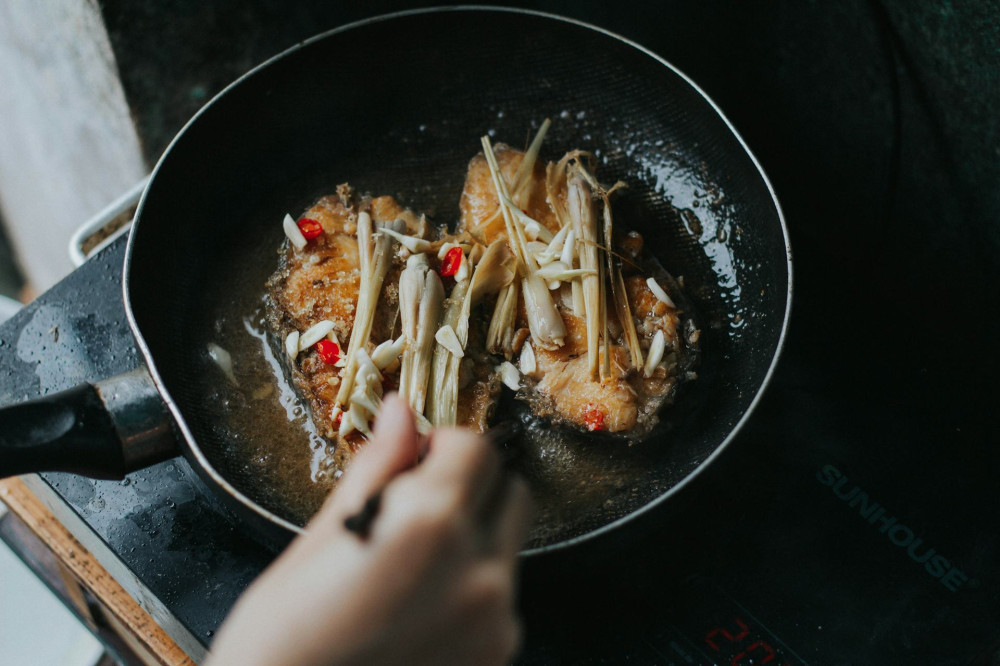
Spice It Up with Culture: How to Adapt Flavors to Different Cuisines

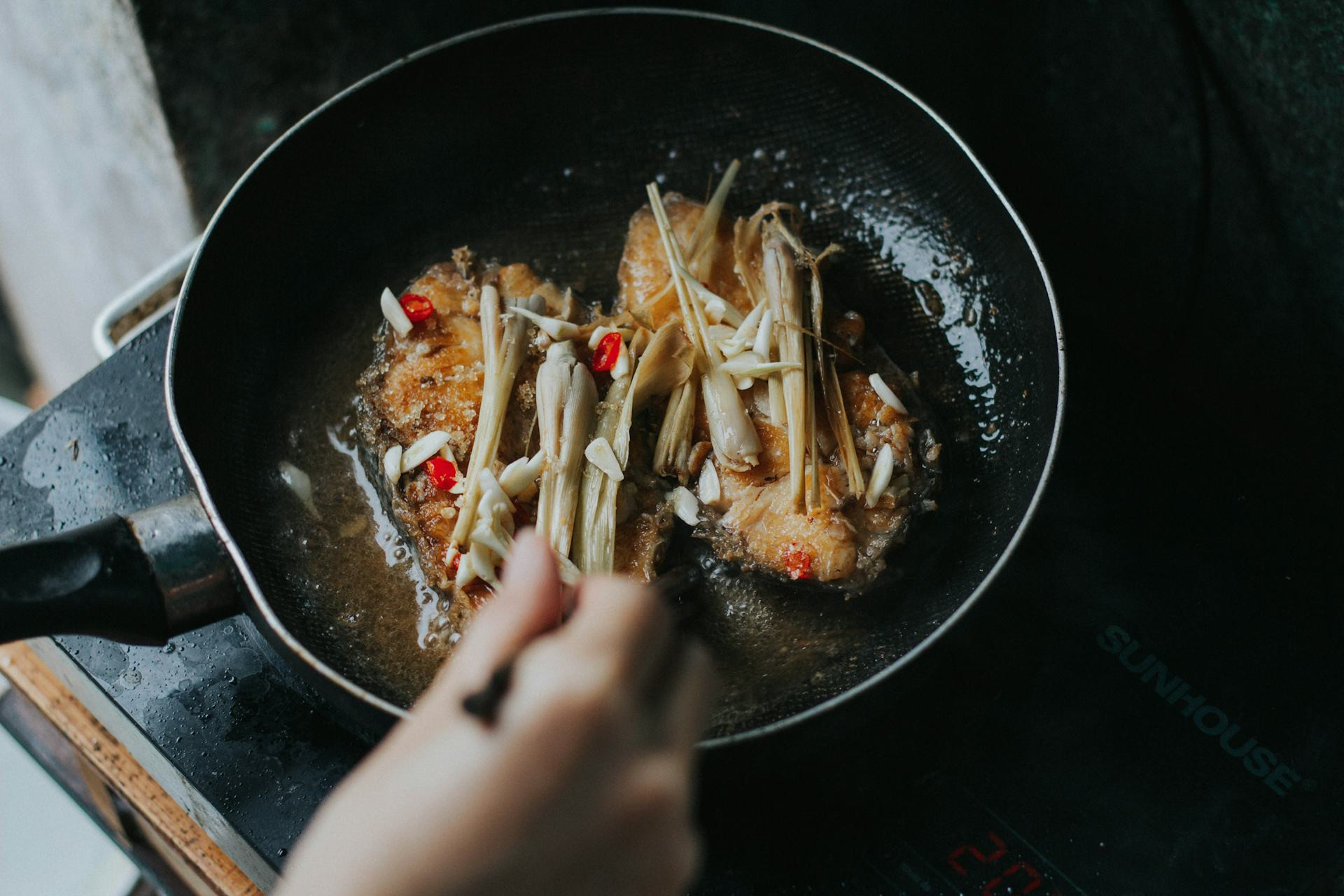
Discover how cultural traditions shape taste and learn to blend global flavors in your own kitchen
Food
Food
4 min
Explore the art of adapting spices and ingredients from around the world while keeping your dishes authentic and personal. This guide shows how understanding cultural flavor profiles can transform the way you cook and connect with food.
Ethan Murray
Ethan
Murray

Spice It Up with Culture: How to Adapt Flavors to Different Cuisines

Discover how cultural traditions shape taste and learn to blend global flavors in your own kitchen
Food
Food
4 min
Explore the art of adapting spices and ingredients from around the world while keeping your dishes authentic and personal. This guide shows how understanding cultural flavor profiles can transform the way you cook and connect with food.
Ethan Murray
Ethan
Murray

Food is more than fuel—it’s a story of culture, history, and identity served on a plate. Every region of the world has its own flavor profiles, spices, and cooking traditions shaped by climate, geography, and heritage. When you understand these cultural differences in taste, you can not only cook more authentic dishes but also create new combinations that bring the world into your kitchen. Here’s a guide to adapting flavors across cuisines—without losing your own culinary voice.

Understanding the Building Blocks of Flavor

No matter where you are, all food is built on the same basic tastes: sweet, sour, salty, bitter, and umami. What sets cuisines apart is how they balance these elements.

  • Asian cuisines often seek harmony between sweet, sour, salty, and spicy—think of Thai dishes where lime, fish sauce, chili, and sugar work together in perfect balance.
  • Middle Eastern cooking layers warm spices like cinnamon, cumin, and cardamom to create depth and aroma.
  • Mediterranean cuisine celebrates freshness and simplicity, with olive oil, lemon, and herbs like oregano and basil taking center stage.
  • Latin American food bursts with brightness and heat, where lime, cilantro, and chili bring energy to every bite.

Once you understand how these flavors interact, it becomes easier to adapt your own dishes—and to experiment with respect for tradition.

Spices: The Language of Culture

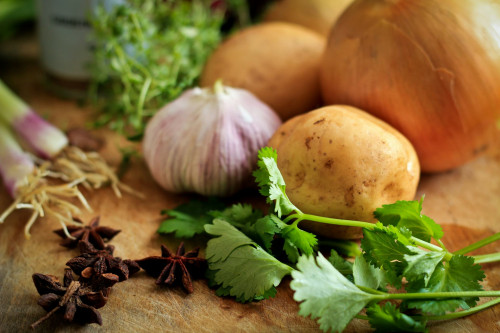
Spices are perhaps the most expressive symbols of a cuisine’s identity. They tell stories of trade routes, migration, and climate. In India, spices are used not only for flavor but also for their healing properties. In North Africa, blends like ras el hanout represent craftsmanship and pride, while in Japan, spices are used with restraint—just a hint of wasabi or a sprinkle of shichimi togarashi.

When adapting flavors, the goal isn’t to copy but to understand. Smell your spices, taste them individually, and notice how they change when toasted, ground, or mixed. That’s how you begin to speak the language of food.

Adapting Without Losing Authenticity

Many home cooks believe that authenticity means following a recipe to the letter. But true authenticity lies in respecting the balance of flavors—not necessarily in finding the exact same ingredients.

If you can’t find fresh lemongrass for a Thai curry, try using lemon zest and a touch of ginger to mimic its brightness. No tamarind for a Mexican salsa? A mix of lime juice and brown sugar can create a similar tangy-sweet effect. The key is to preserve the intention behind the flavor, not to replicate it mechanically.

When Cultures Meet in the Kitchen

Today’s kitchens are global. We mix ingredients and techniques across borders, and that can lead to exciting results. A Southern-style taco with pulled pork and smoky barbecue sauce, or a sushi roll with avocado and spicy mayo, shows how traditions can merge in creative ways.

But balance is essential. Fusion works best when you understand the original cuisines you’re blending. It takes curiosity, respect, and a willingness to learn before you experiment.

Taste, Learn, and Celebrate Culture

Adapting flavors is ultimately about listening—to ingredients, to traditions, and to the people who’ve cooked before you. Travel, read, ask questions, and taste as much as you can. Every culture has its own culinary logic, and the more you understand it, the better you’ll become at creating food that not only tastes good but also tells a story.

So next time you stand in front of your spice rack, don’t just think about what fits the recipe—think about where those flavors come from. That’s where food becomes culture.

Indretning
From Research to the Kitchen: How the Official Dietary Guidelines Are Made
Discover the science and decision-making behind America’s official nutrition advice
Food
Food
Nutrition
Health Policy
Dietary Guidelines
Public Health
Food Science
7 min
Every five years, the Dietary Guidelines for Americans shape how the nation eats—from school lunches to food labels. Learn how experts review research, balance health and culture, and turn scientific evidence into practical recommendations for everyday life.
Maia Lopez
Maia
Lopez
Green Energy: Plant-Based Meals That Give Your Family More Energy
Discover how simple plant-based meals can fuel your family with lasting energy and vitality
Food
Food
Plant-Based Eating
Family Meals
Healthy Living
Sustainable Food
Nutrition
5 min
Learn how to bring more “green energy” to your table with easy, nutritious plant-based meals that keep the whole family energized. From quick weeknight dinners to kid-friendly favorites, find out how small changes can make a big difference for your health and the planet.
Ethan Murray
Ethan
Murray
Eat with the Seasons – Use a Seasonal Calendar as Your Kitchen Compass
Let nature’s rhythm inspire your meals and make every season a celebration of fresh flavors
Food
Food
Seasonal Eating
Sustainable Living
Fresh Produce
Healthy Cooking
Local Food
5 min
Discover how eating with the seasons can transform your cooking and your connection to food. Learn to use a seasonal calendar as your kitchen compass to enjoy fresher produce, support local farmers, and create more sustainable meals all year round.
Harper Reed
Harper
Reed
Small Steps Toward Climate-Friendly Food – Realistic Goals That Last
Simple changes in your everyday meals can make a real difference for the planet
Food
Food
Sustainable Eating
Climate-Friendly Food
Healthy Lifestyle
Food Waste
Eco Living
2 min
Discover how small, practical adjustments to your eating habits can lead to a more climate-friendly lifestyle. From reducing food waste to choosing local and seasonal ingredients, these realistic steps help you eat well while caring for the environment.
Jonah Phillips
Jonah
Phillips
Spice It Up with Culture: How to Adapt Flavors to Different Cuisines
Discover how cultural traditions shape taste and learn to blend global flavors in your own kitchen
Food
Food
World Cuisine
Cooking Tips
Cultural Food
Spices
Culinary Inspiration
4 min
Explore the art of adapting spices and ingredients from around the world while keeping your dishes authentic and personal. This guide shows how understanding cultural flavor profiles can transform the way you cook and connect with food.
Ethan Murray
Ethan
Murray
When Silence Becomes Dialogue: Family Therapy as a Path to Healing and Reconciliation
How open conversation and guided therapy can mend broken family bonds
Family
Family
Family Therapy
Communication
Healing
Relationships
Mental Health
3 min
When communication falters and silence takes hold, family therapy offers a way forward. This article explores how structured dialogue, empathy, and professional guidance can help families rebuild trust, heal emotional wounds, and find reconciliation together.
Maia Lopez
Maia
Lopez