Green Energy: Plant-Based Meals That Give Your Family More Energy

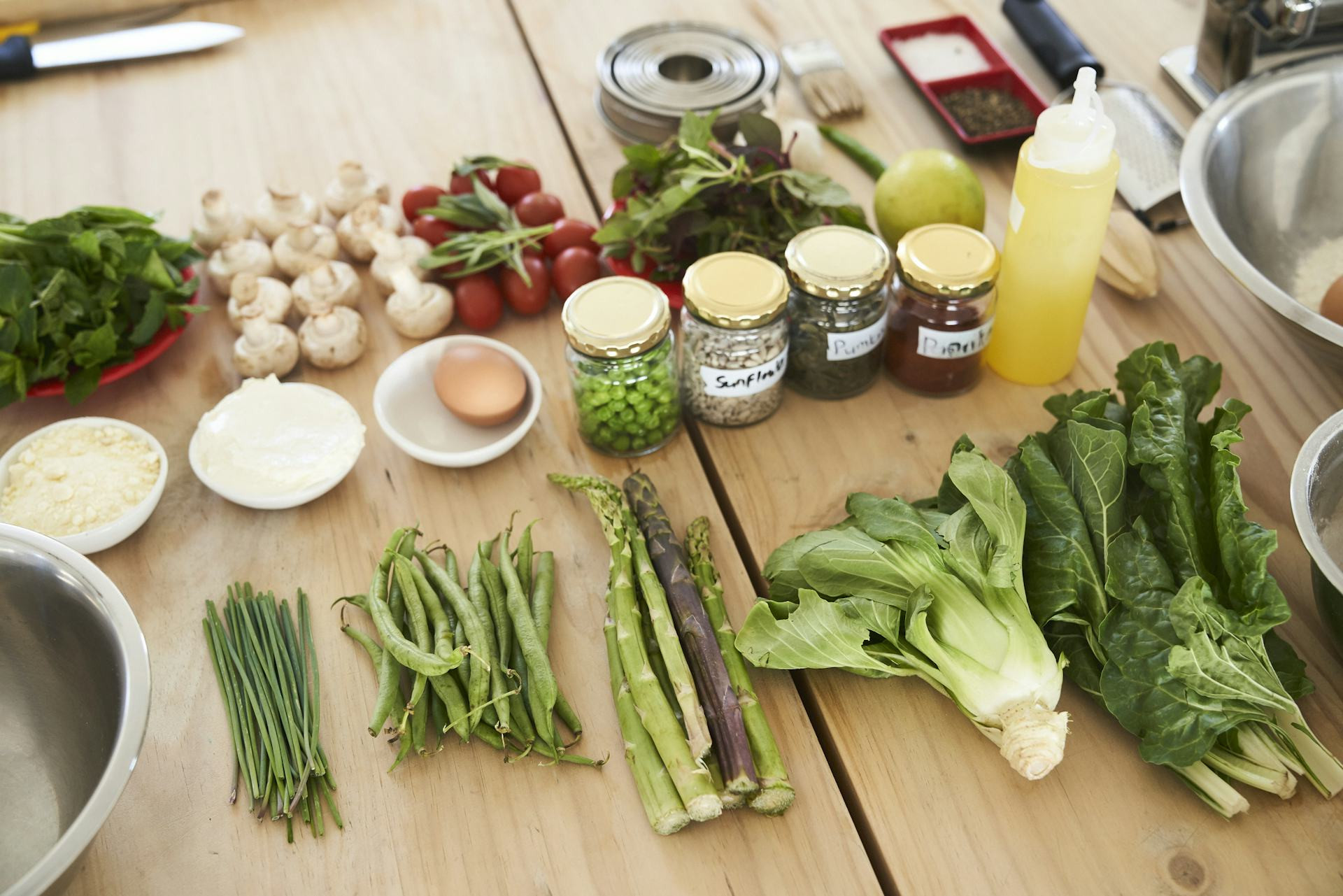
Discover how simple plant-based meals can fuel your family with lasting energy and vitality
Food
Food
5 min
Learn how to bring more “green energy” to your table with easy, nutritious plant-based meals that keep the whole family energized. From quick weeknight dinners to kid-friendly favorites, find out how small changes can make a big difference for your health and the planet.
Ethan Murray
Ethan
Murray

Green Energy: Plant-Based Meals That Give Your Family More Energy

Discover how simple plant-based meals can fuel your family with lasting energy and vitality
Food
Food
5 min
Learn how to bring more “green energy” to your table with easy, nutritious plant-based meals that keep the whole family energized. From quick weeknight dinners to kid-friendly favorites, find out how small changes can make a big difference for your health and the planet.
Ethan Murray
Ethan
Murray

Across the U.S., more families are discovering that plant-based meals aren’t just good for the planet—they’re also great for boosting energy, improving digestion, and making everyday life a little lighter. When vegetables, beans, and whole grains take center stage at the dinner table, everyone feels the difference. Here’s how you can bring more “green energy” into your family’s meals—without adding stress to your schedule.

Why Plant-Based Meals Boost Energy

Plant-based foods are packed with fiber, vitamins, and minerals that help keep energy levels steady throughout the day. Unlike heavy, high-fat meals that can leave you sluggish, dishes built around vegetables, lentils, and grains provide slow-burning fuel. That means both kids and adults can stay focused and active—whether it’s for school, work, or after-school activities.

Research also shows that eating more plants can strengthen the immune system, improve sleep, and lower the risk of chronic diseases. So when you choose plant-based meals, you’re not just helping the environment—you’re helping your family thrive.

Making It Easy for Busy Families

Eating more plant-based doesn’t mean you have to cook everything from scratch or spend hours in the kitchen. Start with small, realistic changes that fit your family’s routine:

  • Go meatless a few days a week. Try bean chili, lentil stew, or veggie lasagna.
  • Use convenient plant proteins. Tofu, tempeh, or plant-based crumbles can easily replace meat in your favorite recipes.
  • Cook in batches. Many plant-based dishes taste even better the next day—perfect for lunchboxes or busy weeknights.
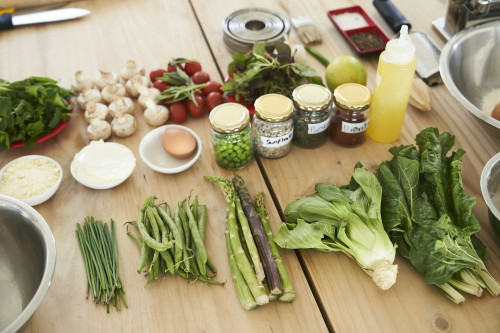
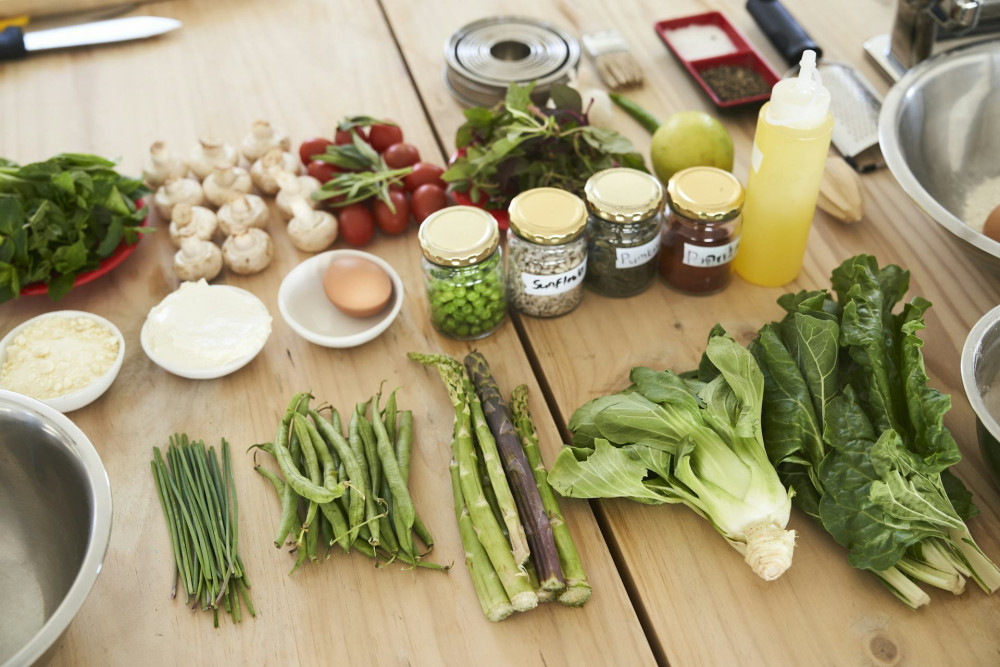
  • Think in color. The more colors on your plate, the more nutrients you get—and colorful meals are more appealing to kids.

When planning your weekly menu, start with the vegetables and build the meal around them. It’s a simple way to add variety and reduce food waste.

Getting Kids Excited About Green Eating

Kids are more likely to enjoy plant-based meals when they’re part of the process. Let them help choose ingredients, stir the pot, or decorate the plates. Try these ideas:

  • Create “build-your-own” meals like tacos, grain bowls, or wraps, where everyone can customize their plate.
  • Give dishes fun names—“superhero stew” or “rainbow pasta” sounds a lot more exciting than “lentils with veggies.”
  • Let kids pick a new fruit or vegetable to try each week during grocery shopping.

When mealtime becomes a shared experience, it’s easier to build new habits—and it turns dinner into a moment of connection and creativity.

Green Energy All Day Long

Plant-based eating isn’t just for dinner. You can keep your family’s energy up all day by adding more plants to every meal:

  • Breakfast: Oatmeal with fruit, nuts, and plant-based milk is a great way to start the day.
  • Lunch: Try wraps with hummus and veggies or a quinoa and bean salad.
  • Snacks: Nuts, fruit, veggie sticks, or homemade energy bites keep blood sugar steady between meals.

When your body gets nourishment from whole, natural foods, you’ll notice better focus, mood, and stamina—for both kids and adults.

An Investment in the Future

Choosing more plant-based meals is one of the most effective ways to reduce your family’s environmental footprint. At the same time, it teaches children that what we eat matters—not just for our health, but for the world around us. It’s an investment in well-being, sustainability, and a brighter future.

Start small, stay curious, and find the recipes that fit your family’s taste. Over time, eating green won’t just be a choice—it’ll become a natural part of your everyday life.

Indretning
From Research to the Kitchen: How the Official Dietary Guidelines Are Made
Discover the science and decision-making behind America’s official nutrition advice
Food
Food
Nutrition
Health Policy
Dietary Guidelines
Public Health
Food Science
7 min
Every five years, the Dietary Guidelines for Americans shape how the nation eats—from school lunches to food labels. Learn how experts review research, balance health and culture, and turn scientific evidence into practical recommendations for everyday life.
Maia Lopez
Maia
Lopez
Green Energy: Plant-Based Meals That Give Your Family More Energy
Discover how simple plant-based meals can fuel your family with lasting energy and vitality
Food
Food
Plant-Based Eating
Family Meals
Healthy Living
Sustainable Food
Nutrition
5 min
Learn how to bring more “green energy” to your table with easy, nutritious plant-based meals that keep the whole family energized. From quick weeknight dinners to kid-friendly favorites, find out how small changes can make a big difference for your health and the planet.
Ethan Murray
Ethan
Murray
Eat with the Seasons – Use a Seasonal Calendar as Your Kitchen Compass
Let nature’s rhythm inspire your meals and make every season a celebration of fresh flavors
Food
Food
Seasonal Eating
Sustainable Living
Fresh Produce
Healthy Cooking
Local Food
5 min
Discover how eating with the seasons can transform your cooking and your connection to food. Learn to use a seasonal calendar as your kitchen compass to enjoy fresher produce, support local farmers, and create more sustainable meals all year round.
Harper Reed
Harper
Reed
Small Steps Toward Climate-Friendly Food – Realistic Goals That Last
Simple changes in your everyday meals can make a real difference for the planet
Food
Food
Sustainable Eating
Climate-Friendly Food
Healthy Lifestyle
Food Waste
Eco Living
2 min
Discover how small, practical adjustments to your eating habits can lead to a more climate-friendly lifestyle. From reducing food waste to choosing local and seasonal ingredients, these realistic steps help you eat well while caring for the environment.
Jonah Phillips
Jonah
Phillips
Spice It Up with Culture: How to Adapt Flavors to Different Cuisines
Discover how cultural traditions shape taste and learn to blend global flavors in your own kitchen
Food
Food
World Cuisine
Cooking Tips
Cultural Food
Spices
Culinary Inspiration
4 min
Explore the art of adapting spices and ingredients from around the world while keeping your dishes authentic and personal. This guide shows how understanding cultural flavor profiles can transform the way you cook and connect with food.
Ethan Murray
Ethan
Murray
When Silence Becomes Dialogue: Family Therapy as a Path to Healing and Reconciliation
How open conversation and guided therapy can mend broken family bonds
Family
Family
Family Therapy
Communication
Healing
Relationships
Mental Health
3 min
When communication falters and silence takes hold, family therapy offers a way forward. This article explores how structured dialogue, empathy, and professional guidance can help families rebuild trust, heal emotional wounds, and find reconciliation together.
Maia Lopez
Maia
Lopez