Small Steps Toward Climate-Friendly Food – Realistic Goals That Last

Small Steps Toward Climate-Friendly Food – Realistic Goals That Last
Eating in a more climate-friendly way doesn’t have to mean changing your entire lifestyle overnight. In fact, research shows that small, realistic steps often lead to the most lasting changes. It’s about finding a balance between caring for the planet, your budget, and your daily routine – and doing it in a way that feels meaningful and manageable.
Start With What You’re Already Doing Well
Many Americans are already taking steps toward more sustainable eating, sometimes without realizing it. Maybe you’ve started having a meatless meal once or twice a week, buying produce from local farmers’ markets, or trying to waste less food. Those are all steps in the right direction.
A good way to move forward is to build on your current habits. Look at what you’re already doing and expand from there. If you love chili or spaghetti with meat sauce, try replacing half the meat with beans or vegetables. The flavor stays rich, but the carbon footprint drops significantly.
Less Meat – Still Delicious
Meat production is one of the biggest contributors to greenhouse gas emissions in our diets, but that doesn’t mean you have to become vegetarian to make a difference. Even small reductions matter.
- Cut back gradually. Start with one meatless day a week and increase from there.
- Choose lower-impact meats. Chicken and pork have a smaller carbon footprint than beef or lamb.
- Use meat as a flavor accent. Instead of making it the main ingredient, use smaller amounts in soups, stir-fries, or tacos.
The key is to keep enjoying your food. Climate-friendly eating should taste good – otherwise, it won’t become a lasting habit.
Eat With the Seasons
Choosing fruits and vegetables that are in season means fresher produce and a smaller environmental impact. Imported items that travel long distances or are grown in heated greenhouses require much more energy.
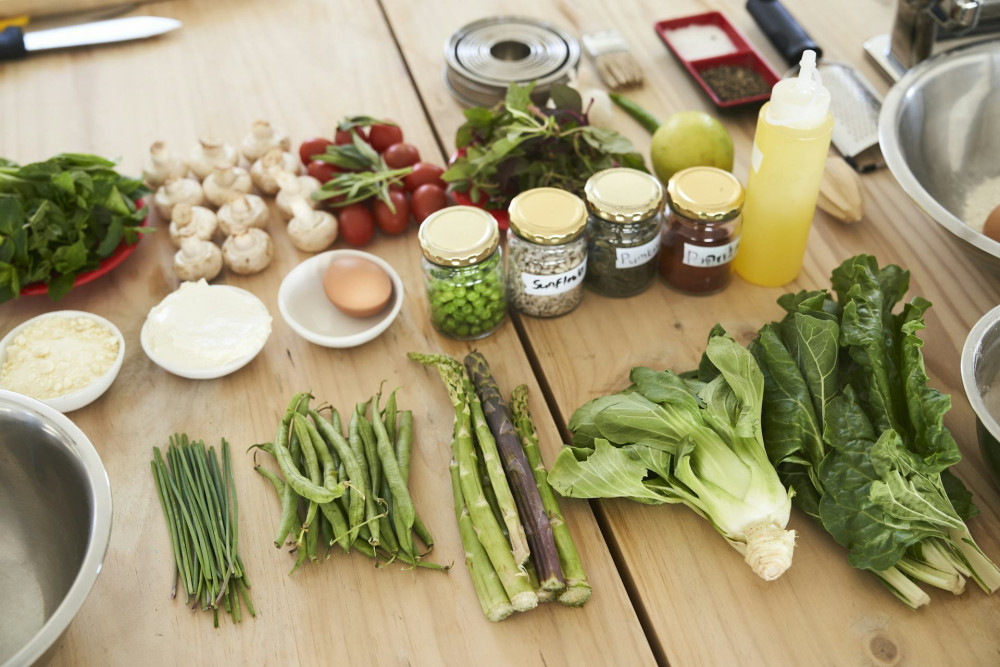
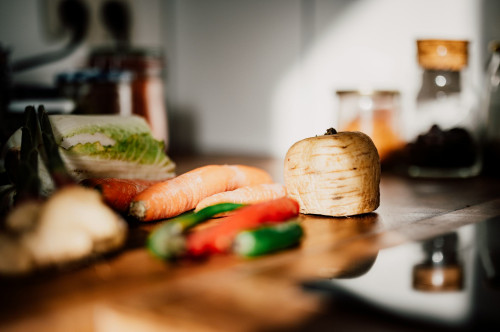
A simple trick is to think in colors and seasons: root vegetables and squash in winter, asparagus and berries in spring, tomatoes and corn in summer, and apples and pumpkins in fall. Seasonal eating adds variety and helps you stay connected to nature’s rhythm.
Plan Ahead and Reduce Food Waste
Food waste is one of the most overlooked climate issues. When food ends up in the trash, all the resources used to produce it – water, energy, and labor – are wasted too. The good news is that this is an area where you can make a quick difference.
- Make a weekly meal plan so you buy only what you’ll actually use.
- Get creative with leftovers – turn extra rice into fried rice or leftover veggies into soup or omelets.
- Store food properly to make it last longer.
- Freeze what you can’t use right away instead of throwing it out.
Small changes in planning can save money and significantly reduce your carbon footprint.
Choose Local and Plant-Based Options
Buying locally produced food supports nearby farmers and reduces transportation emissions. Look for products grown or made in your region, and try some of the many plant-based alternatives now widely available in U.S. grocery stores.
You don’t have to switch everything at once. Try plant-based ground “meat” in tacos, oat milk in your coffee, or lentils in salads. Experiment and find what fits your taste and lifestyle.
Læs også:

Make It a Shared Effort
Change lasts longer when it’s shared. Talk with your family about how you can make your meals more climate-friendly together. Kids can help pick out vegetables, try new recipes, or help reduce food waste. It makes the process more fun and motivating.
You can also share ideas with friends or coworkers – swap recipes, host a meatless potluck, or challenge each other to a “low-waste week.” Small community efforts can add up to big results.
Small Steps, Big Impact
Eating for the climate isn’t about perfection – it’s about direction. Every time you choose vegetables over meat, plan your meals, or keep food out of the trash, you’re contributing to a more sustainable future. It’s the sum of small steps that makes the real difference.
Start where you are, and take one step at a time. That’s how realistic goals turn into lasting habits – and how climate-friendly food becomes a natural part of everyday life.
Læs også: